


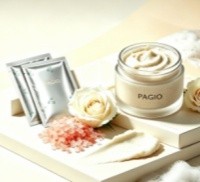


The Art of Beauty Wellness: 10 Natural Strategies for Glowing, Confident Radiance
It is easy to feel lost in today's beauty landscape. Every scroll through social media brings new product launches, celebrity-endorsed routines, and miracle claims — yet genuine guidance on building a beauty practice that actually works can be hard to find. The beauty industry generates billions of dollars in sales annually, but many people still wonder: what truly makes skin look and feel its best? The answer, increasingly embraced by beauty enthusiasts and industry experts alike, lies in shifting the focus from quick fixes to holistic wellness. Beauty is not something you buy in a bottle — it is something you cultivate through daily choices, mindful rituals, and a genuine understanding of what your body needs. This guide brings together the best of natural beauty wisdom, modern ingredient knowledge, and sustainable self-care practices into ten actionable strategies. Each section is designed to help you build a beauty routine that is as enjoyable as it is effective. For generations, cultures around the world have understood that outer beauty reflects inner well-being. From the Japanese concept of mochi-hada (rice-cake skin achieved through diet and gentle care) to the Ayurvedic tradition of abhyanga (self-massage with oils), beauty wisdom has always been holistic. Modern beauty enthusiasts are rediscovering these connections, recognizing that what we eat, how we rest, and how we manage daily stress all reveal themselves in the mirror. The skin is the body's largest organ, and it responds remarkably well to consistent care. Beauty products play an important supporting role, but they work best when the fundamentals are in place: adequate hydration, nutrient-rich foods, quality sleep, and protection from environmental stressors. Think of beauty products as the finishing touch on a canvas that you prepare every day through your lifestyle choices. What makes this approach so powerful is its accessibility. You do not need expensive products or elaborate routines to begin seeing results. Simple, consistent actions — washing your face gently, applying a moisturizer suited to your needs, and protecting yourself from the sun — form the foundation upon which all other beauty rituals are built. The sections that follow will help you layer on additional practices as your confidence and curiosity grow. Long before modern cosmetic laboratories existed, people turned to nature for beauty solutions. Many of the most beloved beauty ingredients today — from aloe vera to rosehip oil — have centuries of traditional use behind them. What makes plant-based ingredients so effective is that they often contain complex combinations of vitamins, antioxidants, and fatty acids that work together in ways that isolated synthetic compounds cannot replicate. Aloe Vera is perhaps the most versatile natural beauty ingredient available. Its gel contains vitamins B1, B2, B6, and C, along with amino acids and polysaccharides that help hydrate and soothe. Used for thousands of years across cultures, aloe vera is gentle enough for daily use and works wonderfully as a lightweight moisturizer or after-sun soother. Many beauty enthusiasts keep an aloe plant at home for fresh, preservative-free gel. Rosehip Oil is extracted from the seeds of wild rose bushes and is rich in vitamins A and C, plus essential fatty acids that support skin elasticity. Unlike heavier oils, rosehip absorbs quickly and leaves little residue, making it suitable for morning and evening use alike. Its natural vitamin A content — in the form of trans-retinoic acid — has made it a favorite among those seeking natural alternatives for maintaining a smooth, even complexion. Green Tea Extract contains powerful antioxidants called catechins that help defend against environmental stressors like pollution and UV exposure. Whether applied topically in serums and masks or enjoyed as a daily beverage, green tea offers beauty benefits that are both accessible and well-documented. A simple cooled green tea rinse can refresh the skin on hot summer days, while green tea-infused creams provide ongoing antioxidant support. Shea Butter from the African karite tree is one of nature's richest moisturizers, containing vitamins A and E along with cinnamic acid esters that offer natural UV-protective properties. Its creamy texture makes it ideal for dry areas like elbows, knees, and lips, and it has been a cornerstone of skincare traditions in West Africa for generations. Jojoba Oil is technically a liquid wax ester rather than an oil, and its molecular structure closely resembles human sebum — the natural oil our skin produces. This similarity allows jojoba to absorb readily and help balance oil production without clogging pores, making it an excellent choice for nearly every skin type. It can be used alone as a cleanser or moisturizer, or blended with other ingredients in customized beauty formulations. A morning beauty routine is about more than preparing your skin for the day — it is an opportunity to set a positive tone, center yourself, and invest a few intentional minutes in your own well-being. The most effective morning rituals are refreshingly simple, prioritizing protection and hydration over complexity. Step 1: A Gentle Wake-Up Cleanse. Morning skincare does not require heavy cleansing — your face has not been exposed to makeup, sunscreen, or outdoor pollutants overnight. A splash of lukewarm water, followed by a gentle, fragrance-free cleanser if you prefer, is typically all that is needed. The goal is to refresh without stripping your skin of the natural oils that protect it throughout the day. For those with drier skin, a micellar water swipe can be a perfect middle ground between thoroughness and gentleness. Step 2: Hydration and Protection. After cleansing, apply a hydrating mist or toner to replenish moisture. Look for ingredients like rose water, chamomile, or glycerin — botanical humectants that draw water into the skin without irritation. Follow with a vitamin-rich serum if you use one; vitamin C in particular has been a popular choice among beauty enthusiasts for its brightening and protective properties. Allow each layer a moment to absorb before the next. Step 3: Moisturize Thoughtfully. Every skin type benefits from moisturization, even oily skin — the key is choosing the right texture. A lightweight gel or lotion suits oilier complexions, while a richer cream provides comfort for drier skin. Look for moisturizers containing ceramides, squalane, or glycerin, which help lock in hydration and maintain a smooth, supple feel throughout the day. Step 4: Sun Protection. If you take away only one piece of advice from this guide, let it be this: daily sun protection is the single most impactful beauty habit you can adopt. UV rays are responsible for most visible signs of skin aging and can reach you through clouds, windows, and even on overcast days. A broad-spectrum sunscreen with SPF 30 or higher, applied generously to the face, neck, and any exposed skin, forms your best daily defense. Modern formulations are lightweight, non-greasy, and compatible with makeup — there has never been a better time to make this a non-negotiable part of your morning. While mornings are about protection, evenings are about renewal. After a full day of exposure to the elements, your skin deserves a thorough but gentle reset. An evening beauty ritual also signals to your mind that the day is winding down, creating a peaceful transition toward rest. A Proper Cleanse Is Everything. If you have worn sunscreen, makeup, or spent time outdoors, a double-cleanse approach works wonders. Start with an oil-based cleanser or balm — these dissolve sunscreen, foundation, and the day's accumulated impurities by attracting and lifting them away. Massage it in gently with circular motions; this is as much a moment of relaxation as it is cleansing. Follow with a water-based cleanser suited to your skin's needs to remove any remaining residue. The result is a truly clean complexion without the tight, stripped feeling that harsher cleansers leave behind. Nourish and Treat. Once your skin is clean and slightly damp, apply any care products you use in the evening. This is when the skin is most receptive to active ingredients. Popular choices include plant-based oils like rosehip or marula, gentle exfoliating toners used a few nights per week, and hydrating overnight masks that work while you sleep. The key principle is consistency over intensity — gentle, regular use almost always yields better results than aggressive occasional products. Seal with Care. Finish with a moisturizer slightly richer than your daytime formula. The skin loses more moisture during sleep than during waking hours, so a good night cream or facial oil helps lock in hydration. A brief facial massage while applying your moisturizer — gentle upward strokes along the jawline, cheeks, and forehead — can feel wonderful and encourages healthy circulation. This is your time to slow down and care for yourself. The connection between what you eat and how you look is intuitive and ancient. Before modern beauty products existed, people relied on nutrient-dense foods to maintain healthy, vibrant appearances — and contemporary nutritional science confirms that this wisdom was well-founded. Certain foods are particularly supportive of skin radiance, and incorporating them into your daily meals is one of the most enjoyable beauty habits you can cultivate. Colorful Fruits and Vegetables are your beauty allies. The pigments that give berries their deep blues and reds, tomatoes their rich reds, and leafy greens their vibrant colors are all antioxidants — compounds that help protect your body's cells from oxidative stress caused by UV exposure, pollution, and natural metabolic processes. Blueberries, strawberries, pomegranates, and dark cherries are especially rich in these protective compounds. A handful of berries on your morning oatmeal or a colorful salad at lunch contributes directly to your skin's resilience. Healthy Fats for Supple Skin. Foods rich in omega-3 fatty acids — including salmon, sardines, walnuts, chia seeds, and flaxseeds — help maintain the skin's natural moisture barrier. Think of these fats as internal moisturizers: they support the skin's ability to retain hydration and maintain a plump, smooth appearance. Avocados deserve special mention, as they combine healthy fats with vitamins E and C, both of which support collagen production and skin repair. Vitamin C-Rich Foods. Citrus fruits, bell peppers, kiwifruit, strawberries, and broccoli are all excellent sources of vitamin C — a nutrient essential for collagen synthesis. Collagen is the protein that gives skin its structure and firmness, and unlike many animals, humans cannot produce vitamin C internally, making dietary intake essential. A colorful plate is not just visually appealing — it is feeding your skin from within. Hydration from Your Plate. While drinking water is important, foods with high water content contribute significantly to your daily hydration. Cucumbers, watermelon, zucchini, and celery are over 90% water and also provide vitamins and minerals. Herbal teas, particularly green tea and chamomile, offer hydration alongside their own unique beauty benefits. The goal is not to force yourself to drink a specific number of glasses — it is to consistently include hydrating foods and beverages throughout your day. What to Consider Reducing. While no food needs to be completely off-limits, many people notice that their skin looks and feels better when they moderate highly processed foods, excessive sugar, and alcohol. These can contribute to dehydration and may affect how your skin looks and feels. The emphasis should always be on what you are adding — more colorful plants, more healthy fats, more hydration — rather than deprivation. The phrase "beauty sleep" entered our vocabulary for good reason. During deep, restful sleep, the body enters a state of repair and regeneration that is fundamentally different from its waking mode. While you rest, blood flow to the skin increases, bringing oxygen and nutrients that support cellular renewal. If you have ever noticed how your complexion looks after a poor night's sleep — perhaps duller, with more noticeable fine lines and shadows — you have witnessed firsthand the connection between rest and radiance. Creating an Environment for Restorative Sleep. Your bedroom environment plays a significant role in sleep quality. A cool room temperature (around 18 to 20 degrees Celsius), blackout curtains or a sleep mask, and minimal noise all support deeper rest. Some people find that a silk or satin pillowcase makes a noticeable difference — these materials create less friction than cotton, which means fewer sleep creases on the face and less moisture pulled from the skin overnight. Evening Habits That Support Beauty Sleep. The hour before bed is a powerful window for setting up restorative rest. Reducing exposure to bright screens — phone, tablet, computer — helps your body produce melatonin, the hormone that regulates sleep-wake cycles. Instead, consider reading a physical book, doing gentle stretches, or practicing a few minutes of deep breathing. A warm bath or shower an hour before bed raises your body temperature slightly; the subsequent cooling helps trigger sleepiness naturally. Many people experience skin that is easily reactive — prone to redness, stinging, or discomfort when trying new products or encountering environmental changes. Rather than viewing this as a limitation, it helps to think of it as your skin communicating clearly about what it does and does not need. A gentle approach to beauty care often yields the best results, regardless of skin type. Embrace the Minimalist Philosophy. When skin is reactive, fewer products are often better. A simple routine of gentle cleanser, basic moisturizer, and daily sunscreen can be remarkably effective. Each additional product — no matter how wonderful its marketing — introduces new ingredients and potential triggers. Building a routine slowly, one product at a time, allows you to clearly understand what works for you and what does not. Choose Your Products Wisely. For delicate skin, fragrance-free formulations are almost always the safer choice. Both synthetic fragrances and natural essential oils can be irritating. Look for products marketed specifically as suitable for sensitive skin, and favor simple ingredient lists over long, complex ones. Ingredients like colloidal oatmeal, centella asiatica (also known as cica), and ceramides are widely appreciated by those with reactive skin for their calming and supportive properties. The Art of Introducing New Products. Before applying any new product to your face, test a small amount on your inner forearm or behind your ear for a day or two. If no reaction occurs, introduce it slowly — perhaps every other day at first. Add only one new product at a time, waiting at least two weeks before the next introduction. This patient approach may feel slow, but it saves you from the frustration of reacting to a product and not knowing which one caused it. If you do experience a reaction, step back to the simplest version of your routine — cleanser and moisturizer only — until things settle. Beauty tools have come a long way from the simple cotton pads and makeup brushes of decades past. Today's market offers a fascinating range of devices designed to enhance your routine, from centuries-old techniques reimagined for modern use to high-tech gadgets that bring professional spa experiences into your home. While no tool is essential — your hands and a good product can take you far — the right device can add a layer of ritual and effectiveness that many people find genuinely enjoyable. Facial Rollers and Gua Sha. These tools have roots in traditional Chinese beauty practices and have earned devoted followings among modern beauty enthusiasts. A jade or rose quartz roller, kept cool in the refrigerator, provides a refreshing morning massage that can help reduce morning puffiness and encourage lymphatic drainage. Gua sha — a flat, smooth stone tool used in upward, sweeping motions — takes the concept further, offering a deliberate facial massage that many describe as both beautifying and deeply relaxing. The key to both tools is gentleness: light pressure and consistent technique matter far more than force. LED Light Masks. Among the more technologically advanced beauty tools, LED masks use specific wavelengths of light to support a refreshed, radiant appearance. Red light is known for its rejuvenating properties and is a popular choice for maintaining a smooth, even-toned appearance. These masks are typically used for ten to twenty minutes several times a week, and many users report that the quiet, lights-out ritual has become a cherished moment of stillness in their day. While LED masks represent a significant investment compared to simpler tools, their non-invasive nature and ease of use make them an appealing entry point into beauty technology. Facial Cleansing Brushes. Silicone cleansing brushes offer a gentle upgrade from fingertips, providing mild exfoliation and a deeper-feeling cleanse. The key is moderation — once daily is plenty, and those with delicate skin may prefer to use them only a few times per week. A soft silicone brush with rounded bristles is less likely to cause irritation than nylon bristle alternatives, and the waterproof, easy-to-clean design of silicone makes these tools practical and hygienic for daily use. A note on choosing beauty tools: The best device for you depends on your personal goals, your routine, and what you genuinely enjoy using. A tool that sits in a drawer unused — no matter how highly rated — provides no benefit. Start simple. A cool facial roller or a soft cleansing brush can add meaningful pleasure to your routine without a large investment. If you are curious about more advanced devices, consider trying a facial session at a professional spa first to experience the sensation and see how your skin responds before purchasing your own. The global beauty industry produces over 120 billion units of packaging each year, with the majority ending up in landfills or oceans. Consumer awareness of this impact has grown dramatically, and sustainability has become one of the most significant forces reshaping the beauty industry. The good news is that many of the most sustainable choices in beauty also happen to be among the most effective and skin-friendly. Upcycled Ingredients: Beauty from Byproducts. One of the most exciting innovations in sustainable beauty is the use of upcycled ingredients — materials that would otherwise go to waste. Coffee grounds from cafes become exfoliating scrubs; grape seeds from winemaking are pressed into antioxidant-rich oils; fruit pits are ground into gentle facial powders. By choosing products made with upcycled ingredients, you support a circular economy that reduces waste while delivering unique, effective formulations. The carbon footprint of such ingredients is typically 20 to 40 percent lower than conventionally sourced alternatives. Waterless Beauty: Less Water, More Results. Conventional liquid skincare products are typically 60 to 85 percent water — which means you are paying for, shipping, and packaging mostly water. Waterless formulations flip this model: solid cleansing bars, concentrated balms, powder-to-foam cleansers, and oil-based serums that contain no added water. These products are more concentrated, require less packaging, generate lower shipping emissions due to their lighter weight, and need fewer preservatives. A single solid cleanser bar can replace multiple bottles of liquid cleanser, making this a satisfyingly practical step toward a lower-impact routine. Refillable and Thoughtful Packaging. Many beauty brands now offer refill systems — glass or aluminum containers that you purchase once, then replenish with lighter, more compact refills. Over the lifetime of a single container, refills can reduce packaging waste by up to 70 percent. When evaluating brands' sustainability claims, look for specific, verifiable certifications such as B Corp, COSMOS organic, or EWG Verified, rather than vague terms like "clean" or "natural" that have no legal definition and can be used freely by any company. Reading about beauty is one thing — living it is another. The strategies in this guide are meant to be explored, adapted, and made your own over time. There is no single perfect routine that works for everyone, and the most beautiful thing you can cultivate is a practice that feels genuinely good to you. Below is a flexible framework to help you begin, whether you are starting from scratch or refining a long-established routine. The most radiant people are not necessarily those with the most expensive products or the most elaborate routines. They are the people who have found a way of caring for themselves that feels natural, sustainable, and genuinely rewarding. Beauty is personal, creative, and ever-evolving — and every small, consistent act of self-care is an investment in your own well-being. Start where you are, with what you have. Tonight, wash your face gently, apply a moisturizer you love, and go to bed a little earlier than usual. Tomorrow morning, apply sunscreen before you leave the house. These simple actions, repeated over time, are the true foundation of lasting beauty — and they are available to everyone, starting right now. Ready to explore more beauty and wellness insights? Browse our blog for more articles on natural beauty and self-care, or discover our curated collection of beauty products formulated with the botanical ingredients featured in this guide.The Art of Beauty Wellness: 10 Natural Strategies for Glowing, Confident Radiance
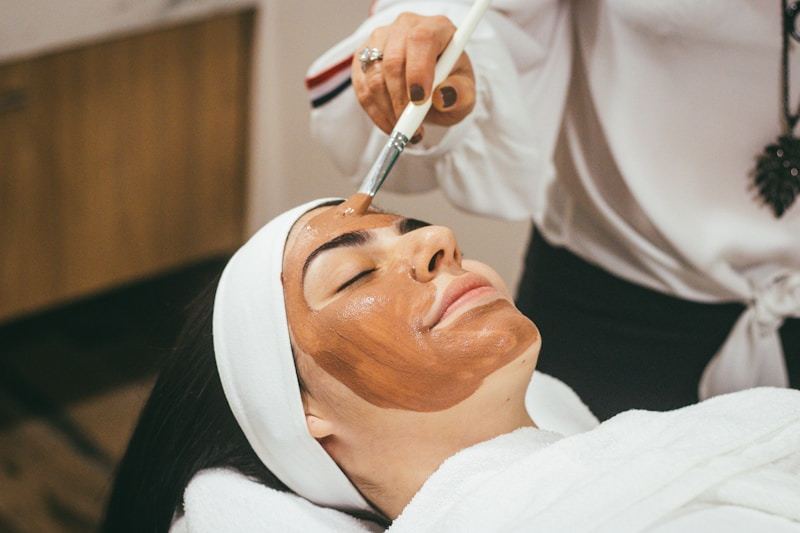
Understanding Beauty from the Inside Out
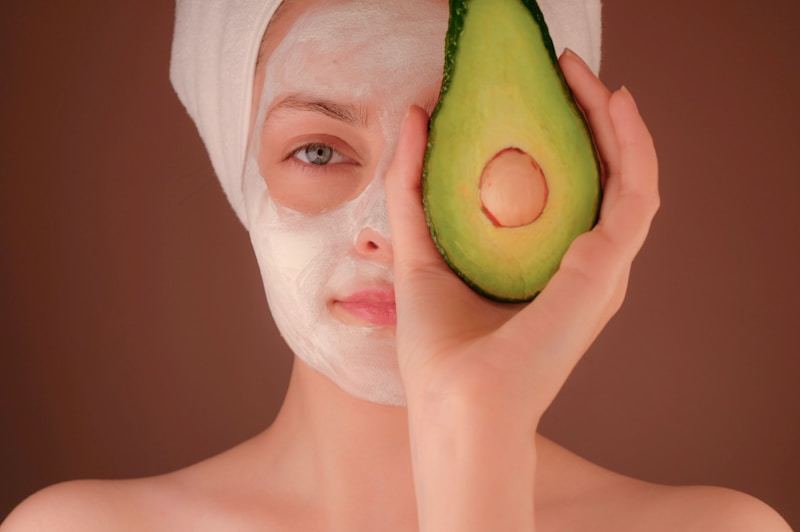
Nature's Beauty Cabinet: Plant-Based Ingredients That Nourish
Natural Beauty Ingredients at a Glance
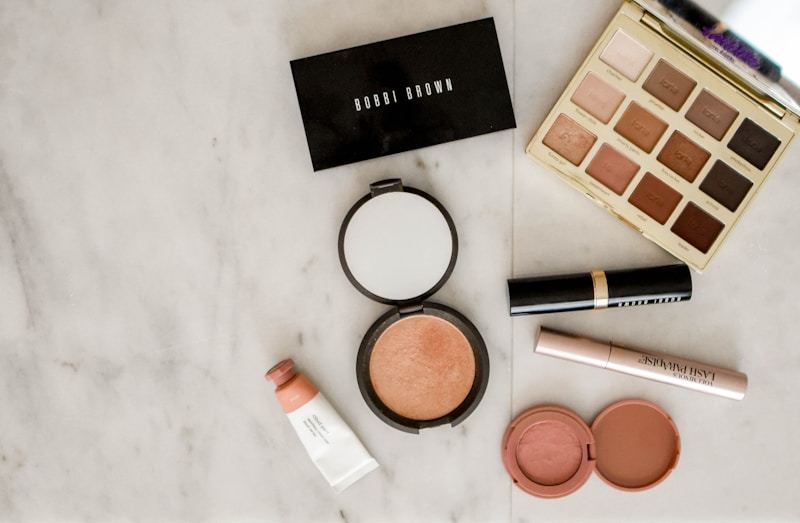
Creating Your Personal Morning Beauty Ritual
The Evening Beauty Routine: Unwind, Cleanse, and Renew
Morning vs. Evening Beauty Rituals
Foods That Support Your Natural Glow
Beauty and Rest: Why Quality Sleep Matters
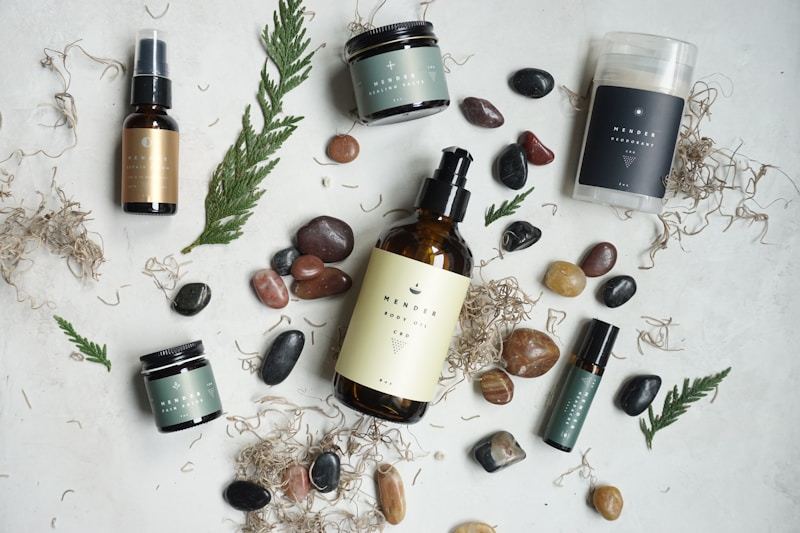
Gentle Beauty Care for Delicate Skin
Modern Beauty Tools for Self-Care
Sustainable Beauty: Look Good, Do Good
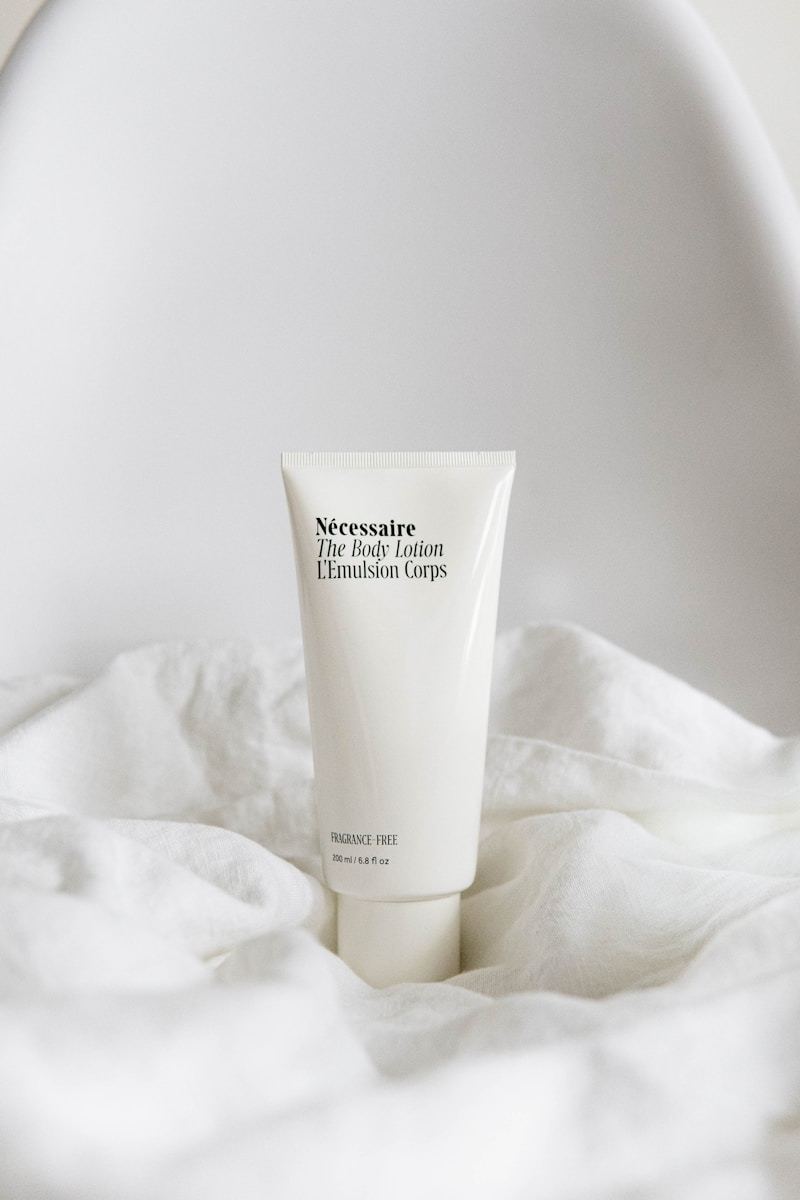
Your Personal Beauty Journey: A Practical Guide