











Post-Exercise Recovery: Natural Approaches That Actually Work
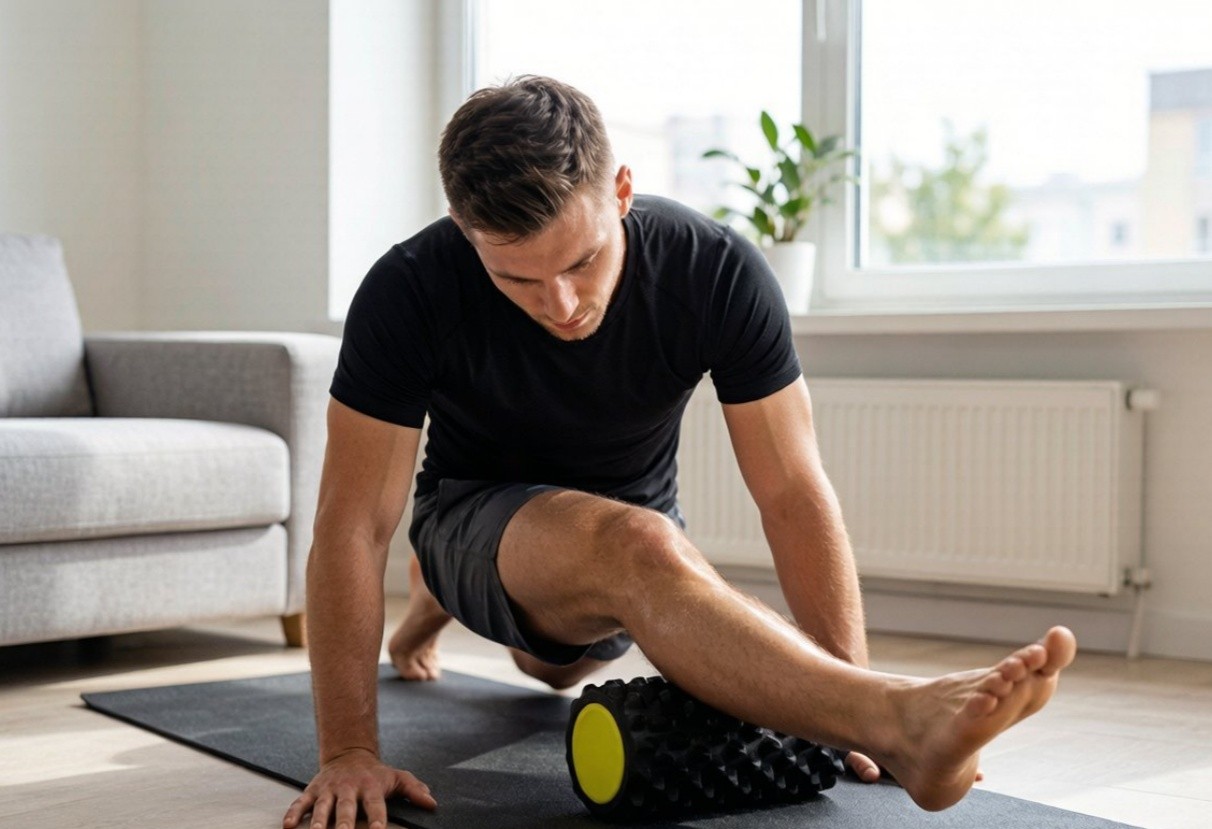
You finished your workout feeling strong. The endorphins were flowing. You patted yourself on the back, grabbed a quick shower, and went on with your day. But the next morning, you wake up and your legs feel like they are made of concrete. Every stair is a negotiation. Sitting down on a chair becomes a controlled descent. You had planned to run again today, or lift, or at least take a brisk walk. Instead you cancel your plans, reach for another coffee, and silently wonder whether exercise is actually worth this. If this scene sounds familiar, you are not alone. Millions of people push through workouts with determination and then lose momentum not because they lack willpower, but because their bodies never fully recover between sessions. The soreness lingers. The energy never quite returns. Over weeks and months, what started as an exciting fitness journey gradually becomes a cycle of start-stop-start that leads nowhere. This article is about breaking that cycle. Not with shortcuts or miracle products. Not with advice that belongs in a doctor's office. It is about the natural, evidence-informed approaches that help your body do what it is already designed to do: repair itself, rebuild stronger, and come back ready for more. These are the practices that elite athletes use, adapted for real people with real schedules, presented in plain language anyone can follow. There is a popular idea in fitness culture that more is always better. Train harder. Never skip a day. Pain is weakness leaving the body. These slogans make for good motivational posters but terrible training advice. The truth is that exercise breaks your body down. Every squat, every sprint, every set of push-ups creates microscopic tears in your muscle fibres. Your energy reserves deplete. Your nervous system fatigues. This is not a mistake — it is exactly how the process works. The breakdown itself is not what makes you stronger. What makes you stronger is what happens afterward. Recovery is not the absence of training. It is the most important part of training. When you skip recovery, you are not being tough. You are interrupting the very mechanism that produces results. Muscles that never fully repair cannot grow. Energy systems that never fully replenish cannot perform. Over time, under-recovery leads to a state that sports scientists call "functional overreaching" — and if it continues unchecked, it can progress to genuine burnout where motivation collapses and even light activity feels draining. The signs are worth knowing. Persistent fatigue that sleep does not fix. Irritability that seems to come from nowhere. Performance that plateaus or declines despite consistent effort. A resting heart rate that stays elevated from one morning to the next. Catching colds more often than usual. None of these are random. They are your body's way of telling you that the balance between stress and recovery has tipped in the wrong direction. Listening to these signals is not weakness. It is the difference between training intelligently and training yourself into the ground. You do not need a physiology textbook to understand recovery, but a basic picture helps you trust the process. After exercise, three main things need to happen. First, your muscles need raw materials — amino acids from protein — to rebuild the fibres that training damaged. This repair process is what produces strength gains, not the damage itself. Second, your glycogen stores, which are your muscles' primary fuel tank, need to be refilled with carbohydrates. Third, the metabolic byproducts that accumulated during exercise — including the hydrogen ions that produce that burning sensation during hard efforts — need to be cleared out through circulation and lymphatic flow. Each of these repair processes has its own timeline. Rehydration begins within minutes of drinking water. Glycogen replenishment accelerates dramatically in the first two hours after exercise, especially if you consume carbohydrates during that window. Muscle protein synthesis, the process of actual tissue repair, peaks roughly twenty-four hours after training and can remain elevated for up to forty-eight hours. This is why the old advice to train the same muscle group every day is misguided — you would effectively be breaking down tissue that has not finished rebuilding. What matters for you, practically speaking, is that recovery is not a single event. It is a sequence of overlapping processes that span hours and days. Each of the natural approaches covered in the rest of this article targets a specific part of that sequence. Hydration supports circulation and waste removal. Nutrition provides building blocks. Sleep creates the hormonal environment where repair accelerates. Movement flushes stagnant fluid. Stretching restores tissue length. Temperature therapy modulates inflammation. Used together, they create an environment where your body can do its best work. Most people know they should drink water after exercise. Fewer people know why it matters so much, or how to do it in a way that actually supports recovery rather than just quenching thirst. During a typical workout, depending on intensity and conditions, you can lose anywhere from half a litre to more than two litres of fluid through sweat. That fluid is not just water. It carries electrolytes — sodium, potassium, magnesium — that your nerves and muscles depend on to function properly. When those electrolytes are not replaced, even mild dehydration can leave you feeling sluggish, headachy, and surprisingly weak. The practical approach is straightforward. Weigh yourself before and after a workout if you want precision — for every half-kilogram lost, aim to drink roughly 750 millilitres of fluid over the next few hours. If weighing yourself feels like too much, use a simpler guide: your urine should be pale straw-coloured, not dark yellow. Drink steadily rather than gulping large amounts at once, which can feel uncomfortable and passes through your system too quickly to be absorbed effectively. Water works well for most sessions under an hour. For longer or more intense efforts, or if you train in hot conditions, adding electrolytes makes a measurable difference. Coconut water provides natural potassium and a modest amount of sodium. A pinch of good-quality salt in your water bottle costs almost nothing and helps your body hold onto the fluid you drink rather than simply passing it through. Some people find that a squeeze of lemon or a splash of fruit juice makes drinking more water feel less like a chore — and any habit that helps you stay consistently hydrated is a good one. Drink to thirst, but do not stop at thirst. Your sensation of thirst typically lags behind your actual hydration status by a modest amount. After exercise, make a habit of drinking one full glass of water even after your thirst feels satisfied. This small buffer helps ensure you are slightly ahead rather than slightly behind. The hour after exercise is sometimes called the "golden window" of recovery nutrition, and while the timing is not quite as narrow as fitness magazines once claimed, there is genuine science behind the idea. After training, your muscle cells are unusually receptive to nutrients. Insulin sensitivity increases, which means the carbohydrates you eat are more likely to be shuttled into your muscles as glycogen rather than stored elsewhere. At the same time, the machinery inside your cells that builds new protein is primed and waiting for amino acids to arrive. What should you actually eat? A combination of protein and carbohydrates, in roughly a one-to-three or one-to-four ratio. Real food works as well as anything packaged. A bowl of Greek yogurt with banana and a drizzle of honey. Two scrambled eggs on wholegrain toast. A smoothie made with milk or a plant-based alternative, a scoop of protein if you use it, a handful of spinach, and some frozen berries. The exact composition matters less than the consistency of the habit. What matters is that you eat something within a couple of hours of finishing your workout, and that what you eat contains both protein and carbohydrates. Beyond the immediate post-exercise window, your overall eating pattern across the day shapes your recovery more than any single meal. Prioritise whole foods that provide the micronutrients your repair processes depend on. Iron-rich foods like leafy greens, legumes, and red meat in moderation support oxygen transport in your blood. Magnesium, found in nuts, seeds, and dark chocolate, helps muscles relax and supports sleep quality. Omega-3 fatty acids from fish like salmon or from walnuts and flaxseeds play a role in managing the natural inflammatory response that follows hard training. None of these are magic. They are the raw materials your body has always used, and giving it enough of them simply lets it do what it already knows how to do. If you could take a pill that increased muscle repair, sharpened coordination, improved mood, and boosted your immune system — all without side effects — you would take it every night. That pill already exists. It is called sleep, and it is arguably the most underutilised performance tool available to anyone who exercises. During deep sleep, your body releases a surge of growth hormone, which directly stimulates tissue repair and muscle growth. At the same time, your nervous system, which has been firing at high intensity throughout your training, finally gets a chance to downshift and recalibrate. One poorly slept night after a hard workout will not ruin your progress. But a pattern of short or disrupted sleep will. Research consistently shows that people who sleep fewer than six hours per night experience slower strength gains, longer recovery times, and a higher rate of minor injuries compared to those who get seven to nine hours. The mechanism is not mysterious. If muscle repair peaks during deep sleep, and you spend less time in deep sleep, less repair happens. The math is that simple. Improving sleep does not require a complete lifestyle overhaul. Start with consistency — going to bed and waking up at roughly the same time every day, including weekends, anchors your body's internal clock. Keep your bedroom cool, ideally between sixteen and twenty degrees Celsius, because your core temperature needs to drop slightly for deep sleep to initiate. Reduce screen exposure in the last hour before bed; the blue light from phones and laptops suppresses melatonin, the hormone that signals your body it is time to sleep. If screens are unavoidable, most devices now have a night mode or blue-light filter that helps. A warm shower or bath about ninety minutes before bed also helps — the subsequent drop in body temperature after you get out mimics the natural cooling that precedes sleep onset. The word "recovery" often brings to mind images of lying on a couch with your feet up. That kind of passive rest has its place, but there is another kind of recovery that is equally important and far less discussed. Active recovery means moving your body at a very low intensity — easily light enough to hold a conversation, nowhere near the effort level of a workout — in order to increase blood flow through tired muscles. Increased blood flow means faster delivery of oxygen and nutrients and faster removal of metabolic waste. You are essentially using gentle movement to speed up the cleanup crew inside your body. A brisk walk is the simplest and most accessible form of active recovery. Twenty to thirty minutes, at a pace where your heart rate stays well below the training zone, is enough to get circulation moving without adding stress. Cycling on flat terrain at an easy pace works similarly. Swimming, because the water supports your body weight, is particularly good after high-impact activities like running. Even ten minutes of gentle mobility work — arm circles, leg swings, cat-cow stretches on the floor — can make a noticeable difference in how you feel the next day. The key is intensity. Active recovery should never feel like a workout. If you finish your walk or swim and feel more tired than when you started, you went too hard. The goal is to feel looser, lighter, and slightly more energised. Think of it as turning over the engine without pressing the accelerator. Many people find that a short active recovery session the day after a hard workout actually reduces the delayed muscle soreness that typically peaks around forty-eight hours after training. Stretching after exercise is one of the oldest recovery practices in the book, and for good reason. During training, your muscles contract repeatedly and can remain in a slightly shortened state afterward, especially if you have been doing repetitive movements like running or cycling. Gentle, sustained stretching helps restore muscles to their resting length, improves circulation through the tissue, and provides a moment of calm that your nervous system appreciates after the high-alert state of exercise. Static stretching — holding a position without bouncing — is the most appropriate form for post-exercise recovery. Target the muscles you actually used during your workout. After a run, this means your calves, hamstrings, quadriceps, and hip flexors. After upper-body work, focus on your chest, shoulders, and back. Hold each stretch for twenty to thirty seconds, breathing slowly and deeply throughout. The stretch should feel like a gentle pull, never sharp or painful. Your muscles are already slightly damaged from training; the goal is to lengthen them gently, not to pull harder and cause more micro-tears. Beyond stretching, a foam roller or a simple tennis ball can work wonders on tight spots. The technique, often called self-myofascial release, involves using your body weight to apply pressure to areas of muscle tightness and slowly rolling across them. Spend thirty to sixty seconds on each tender spot, breathing deeply and allowing the muscle to relax under the pressure. This is not supposed to be excruciating — moderate discomfort that eases as you breathe is the sweet spot. Many people find that even five minutes of foam rolling after a workout noticeably reduces how stiff they feel the next morning. Temperature is one of the oldest, simplest, and most debated recovery tools available. The basic principle is straightforward: cold constricts blood vessels and can help limit the natural inflammatory response that follows intense exercise, while heat dilates blood vessels and promotes circulation. The debate is mostly about timing and application rather than whether temperature works at all. Cold exposure, whether through an ice bath, a cold shower, or a simple ice pack applied to specific areas, is most useful in the hours immediately after unusually hard or long training sessions. The cold reduces tissue temperature locally, which slows metabolic activity and may limit the extent of the inflammatory response. This can translate into less swelling, less soreness, and a faster return to feeling normal. That said, cold therapy is a tool for acute situations, not an everyday necessity. Using ice baths after every single workout may actually blunt some of the beneficial adaptations your body produces in response to training, because a moderate amount of inflammation is part of the signal that tells your body to adapt and get stronger. Save the cold for the sessions that genuinely leave you wrecked. Heat, on the other hand, is appropriate for almost any recovery context. A warm bath, a sauna session, or a heat pack applied to tight areas all increase blood flow, relax tense muscles, and provide a soothing signal to your nervous system. Heat is particularly useful on rest days or in the evenings after training, when the goal is relaxation and preparation for sleep. Many people find that alternating between warm and cool water in the shower — thirty seconds warm, fifteen seconds cool, repeated a few times — provides a gentle circulatory boost without the intensity of a full ice bath. Use cold sparingly and strategically — after the hardest sessions, applied to the most worked muscle groups, within a few hours of finishing. Use heat liberally — warm baths, sauna time, heat packs — as a general recovery and relaxation tool, especially in the evening. Both have their place. Neither should become an obsession. Listen to how your body responds and adjust accordingly. Physical recovery gets most of the attention, but your nervous system needs to recover too. Exercise activates your sympathetic nervous system — the fight-or-flight branch — and the longer or more intense the session, the more activation occurs. If you go from a hard workout straight into a stressful day of work, errands, and screen time, your nervous system may never fully downshift. Over time, this can contribute to the kind of persistent fatigue that sleep alone does not fully resolve. Deliberate breathing is one of the fastest ways to signal your nervous system that it is safe to relax. The mechanism is direct: slow, controlled breathing stimulates the vagus nerve, which in turn activates the parasympathetic nervous system — the rest-and-digest branch. A simple technique that requires no training at all is to inhale through your nose for a count of four, hold gently for a count of four, and exhale slowly through your mouth for a count of six or eight. Doing this for just two or three minutes after your workout, or at any point during the day when you notice yourself feeling wired and tired at the same time, can shift your physiological state measurably. Beyond formal breathing exercises, consider the mental side of recovery as a legitimate part of your training. Spend a few minutes after each workout reflecting on what went well rather than what felt hard. Keep a simple training log that notes not just what you did but how you felt — energised, tired, strong, flat. Over time, these notes reveal patterns that help you adjust your training and recovery more intelligently than any generic programme could. Mental recovery also includes things like spending time outdoors without a specific goal, listening to music that genuinely relaxes you, and protecting time to do nothing in particular. In a culture that treats busyness as a virtue, these may feel self-indulgent. They are not. They are maintenance for the system that makes everything else possible. Information only helps if it leads to action. The natural recovery approaches described in this article are not complicated. None of them require expensive equipment, special supplements, or hours of extra time. What they require is consistency — small practices done regularly, woven into the rhythm of your week, so that recovery becomes as automatic as brushing your teeth or checking your phone. Start with one thing. Choose the area where you are currently weakest. If you know your sleep is poor, focus there first — fix your bedtime, cool your bedroom, reduce screen time before bed. If you routinely finish workouts and do not eat for hours, start carrying a small post-workout snack in your gym bag. If you never stretch, commit to five minutes of stretching immediately after every session, while your muscles are still warm. The temptation is to change everything at once, but sustainable change happens one habit at a time. Master one, then add the next. Within 30 minutes of finishing your workout: Drink a full glass of water with a pinch of salt or an electrolyte tab. Eat a small meal or snack that combines protein and carbohydrates — a banana with a handful of almonds, a yogurt with berries, or a proper meal if timing allows. Right after your cool-down: Spend five to ten minutes stretching the muscles you trained. Hold each stretch for twenty to thirty seconds and breathe deeply throughout. If you have a foam roller, spend a few extra minutes on any areas that feel particularly tight. The following morning: Take a twenty-minute walk or easy bike ride. Keep the effort level low enough to hold a conversation easily. This active recovery session helps flush residual soreness and sets a positive tone for the day. Every evening, whether you trained or not: Protect your sleep. Dim the lights an hour before bed. Keep your bedroom cool. Avoid screens in the final thirty minutes if possible. Aim for seven to nine hours of uninterrupted rest. Once a week: Take a few minutes to review your training log. Note any patterns — days you felt unusually tired, sessions that felt surprisingly strong, nights when sleep was disrupted. Use these observations to adjust your training load and recovery focus for the week ahead. Recovery is not a reward you earn by training hard enough. It is not something you get to do only after you have crossed some imaginary threshold of effort. It is a fundamental part of the training process — as fundamental as the workout itself. When you give your body what it needs to repair, rebuild, and come back stronger, you stop fighting against your own physiology and start working with it. The result is not just less soreness. It is more consistent training, better performance, and a relationship with exercise that feels sustainable rather than like a constant battle. Your body already knows how to recover. Give it the conditions it needs, and it will do the rest. Every approach in this article — hydration, nutrition, sleep, active movement, stretching, temperature therapy — works best when supported by the right tools. A well-designed foam roller. A reusable water bottle that you actually enjoy carrying. A comfortable yoga mat that invites you to stretch rather than making it feel like a chore. None of these items are essential, but each one makes consistency easier. And in recovery, consistency is everything. The most effective recovery routine is the one you actually follow. If a simple tool removes a small barrier — if a foam roller means you stretch for ten minutes instead of skipping it, if a quality water bottle means you drink an extra litre each day — then that tool has paid for itself many times over in how you feel, perform, and show up for the next workout. If you found this guide helpful, explore more articles on the Bio-Healthy Wellness Journal or browse our collection of wellness tools designed to support recovery, vitality, and an active lifestyle — every day.The Morning After That Changes Everything

The Hidden Trap of "Pushing Through"

What Recovery Actually Looks Like Inside Your Body
What you will learn in this article
Hydrate With Purpose, Not Just Habit
A simple hydration rule

Feed Your Recovery — Nutrition That Builds You Back Up
Sleep — Where the Real Transformation Happens
 alt="Person sleeping peacefully in a comfortable bedroom with soft morning light">
Active Recovery — Movement That Restores Without Draining
Stretch and Release — Simple Techniques Your Muscles Will Thank You For
Cold and Heat — Using Temperature as a Recovery Tool
Finding your temperature balance
Breathing and Mental Recovery — The Piece Everyone Forgets
Your Personal Recovery Plan — Making It Stick
Your Recovery, Your Tools, Your Choice