
White Label vs Private Label Skincare: What's the Difference and Which Is Right for Your Brand?
Quick Answer: White Label vs Private Label Skincare
White label skincare uses pre-made, ready-to-brand formulas that any company can purchase and sell under its own label, offering zero exclusivity but fast market entry. Private label skincare involves customizing a manufacturer's existing formula with your unique specifications, giving your brand partial exclusivity and differentiation at a moderate investment. The choice depends on your brand stage, budget, timeline, and long-term goals.
1. Understanding White Label and Private Label Skincare
The global private label skincare market is projected to grow from USD 42.5 billion in 2026 to USD 72.8 billion by 2035, at a CAGR of 6.2%. Meanwhile, the white label cosmetics market is forecast to reach USD 1.6 billion by 2030, growing at 7.8% CAGR. Understanding the difference between these two models is critical for any brand founder.
White Label Skincare: Off-the-shelf, pre-formulated products that any brand can purchase and rebrand with its own logo and packaging. The formula is fixed, developed and owned by the manufacturer. Multiple brands may sell an identical product simultaneously. Best for speed and low initial investment.
Private Label Skincare: Products where the manufacturer develops a formula that the brand can customize — selecting active ingredients, textures, fragrance, and packaging. While the manufacturer retains the base formula IP, your brand gets a differentiated product with partial exclusivity. Best for building a unique brand identity.
The distinction is often blurred in the cosmetics industry, yet it fundamentally affects your margins, branding power, and long-term business value. According to industry research, over 70% of emerging beauty brands rely on third-party manufacturers, making this decision one of the first and most important a brand founder will make.
2. Side-by-Side Comparison
To help you make an informed decision, here is a direct comparison of the two models across the factors that matter most to brand builders:
| Factor | White Label | Private Label |
|---|---|---|
| Formula ownership | Manufacturer retains all rights | Brand gets partial exclusivity |
| Product uniqueness | None — same formula sold to multiple brands | Partial — customization creates differentiation |
| Customization scope | Label and packaging only | Ingredients, actives, fragrance, texture, packaging |
| Time to market | 2-4 weeks | 4-12 weeks |
| Minimum order quantity | Low (300-1,000 units) | Moderate (1,000-3,000 units) |
| Per-unit cost at scale | Higher (commodity pricing) | Lower (brand premium) |
| Retail readiness | Limited — retailers want exclusivity | Strong — differentiated product preferred |
| Long-term brand value | Limited resale value | Builds equity as a brand asset |
3. Cost, Timeline, and MOQ Differences
Financial considerations often drive the initial decision. Here is how the two models compare in practical terms:
Cost Structure
White label eliminates R&D costs entirely. You pay only for the finished product, packaging, and labeling. A white label moisturizer might cost $5-8 per unit to produce, retailing at $15-25. No development fees, no stability testing costs.
Private label involves a development investment typically ranging from $2,000-10,000 for formulation customization, stability testing, and sample iterations. However, the per-unit cost can drop significantly at volume. A private label serum costing $8-12 per unit can retail for $35-65, offering better margin potential.
Timeline Comparison
White label: 2-4 weeks from order to delivery. The fastest path to market, ideal for seasonal launches, trend products, or testing new categories.
Private label: 4-12 weeks depending on customization depth. Formula adjustment takes 1-2 weeks, sample revisions 1-3 rounds, stability testing 2-4 weeks, and bulk production 2-4 weeks.
Expert Tip: Many successful beauty brands follow a hybrid path — launching with 2-3 white label products to validate demand and generate cash flow, then transitioning to private label for their hero SKUs as the brand grows. PROGEN's OBM program is designed specifically for this evolution.
4. Which Model Fits Your Brand Stage?
The right choice depends entirely on where your brand is today and where it is going:
Choose White Label If:
- You need to launch within 30 days for a specific market window
- You are testing a new product category with limited budget
- You are a salon, spa, or influencer adding a retail line as a side revenue stream
- You have limited formulation knowledge and want proven products
- Your primary strength is branding and distribution, not product development
Choose Private Label If:
- You are building a serious D2C brand with long-term ambitions
- Product differentiation is essential to your brand positioning
- You plan to retail through major e-commerce platforms like Amazon
- You understand your target audience's specific skincare needs
- You want to build a brand that can be sold as a valuable asset
Industry Insight: According to market research, brands that start with white label and transition to private label within 12-18 months see 40% higher customer retention rates. The initial white label phase funds the product development for later private label differentiation.
5. Common Mistakes to Avoid
- Choosing white label for a premium brand — If you position as luxury but sell a commodity formula, customers will discover the disconnect. White label works for value positioning; private label supports premium.
- Going fully custom too early — Spending $30,000 on custom formulation before proving product-market fit is how many beauty startups fail before launch. Validate demand with private label first.
- Ignoring MOQ scalability — Some manufacturers lock you into high MOQs that strain cash flow. Look for partners offering flexible scaling from 1,000 to 10,000+ units.
- Skipping stability testing — Private label requires proper stability testing. Without it, your product may separate, discolor, or spoil on the shelf, damaging your brand's reputation.
- Treating the model as permanent — Your manufacturing model should evolve with your brand. What works at launch may not serve you at scale.
6. PROGEN's Three-Track Manufacturing Model
PROGEN offers a comprehensive manufacturing ecosystem that supports brands at every stage, from first launch to full-scale production. Our three-track model covers the full spectrum:
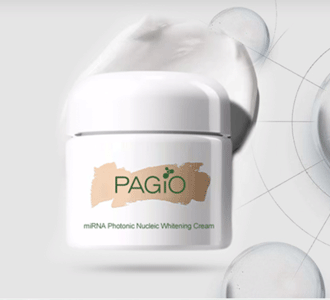
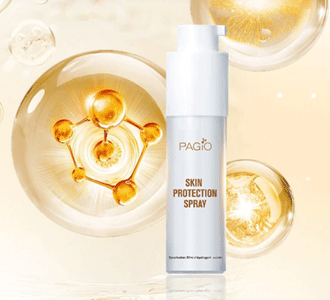
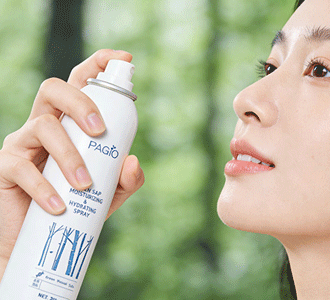
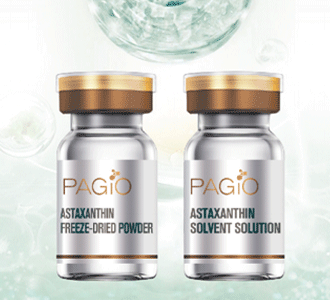
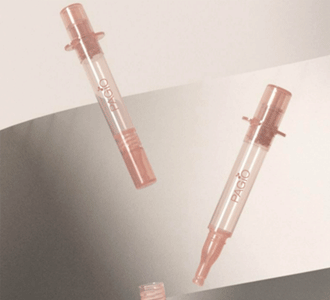
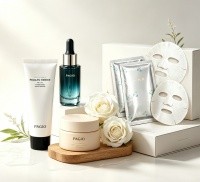
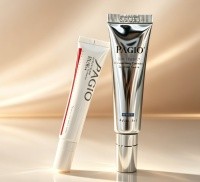
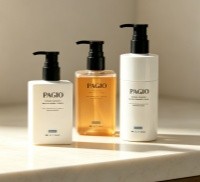
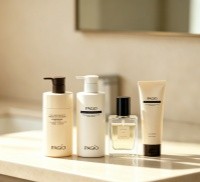
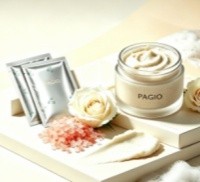
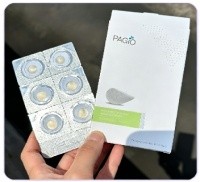
OBM (Original Brand Manufacturing) — Our White Label Solution: The "PAGIO" standardized packaging series enables low MOQ, fast delivery, and guaranteed quality. Ideal for partners seeking rapid market entry or testing new product categories. Our product range spans from Facial Skincare Series to Body Care and Hair Care.
ODM (Original Design Manufacturing) — Our Private Label Solution: For partners who want to build their own unique brand, PROGEN provides personalized formula development, customized packaging, and full-service brand creation. We assist in formulation design, efficacy validation, packaging artwork, and compliance registration. Our in-house R&D team of 30+ scientific experts develops bespoke formulations tailored to your target market.
OEM (Original Equipment Manufacturing) — Full Custom Development: For established brands with their own formulations, PROGEN provides high-standard GMP manufacturing, QC, and packaging solutions. From the Photonic Nucleic Whitening Cream to the Scalp Hair Growth Lyophilized Essence, our patented technologies bring your vision to life.
What sets PROGEN apart is our vertically integrated GMP-certified facility in Xiamen — a 4,500m2 R&D center with 100,000-level GMPC workshop, 150,000+ pcs daily production capacity, and 50+ proprietary patents. Whether you choose OBM, ODM, or OEM, every product meets international compliance standards for EU, US, Southeast Asia, and Middle East markets.
Frequently Asked Questions
Do private label and white label mean the same thing?
No. White label uses a ready-made, fixed formula that any brand can rebrand. Private label allows you to customize a manufacturer's formula, creating differentiation and partial exclusivity for your brand.
Which is cheaper: white label or private label?
White label requires lower upfront investment (no R&D costs, lower MOQ). However, private label offers better per-unit margins at scale and supports higher retail pricing due to product differentiation.
Can I start with white label and transition to private label later?
Yes. This is actually the recommended path for most brands. Start with 2-3 white label SKUs to validate demand, then develop 1-2 signature private label products as your brand grows.
What MOQ should I expect for private label skincare?
Private label MOQs typically range from 1,000-3,000 units per SKU, depending on formulation complexity and packaging requirements. PROGEN offers flexible MOQ options for growing brands.
Not Sure Which Model Fits Your Brand?
PROGEN's team of beauty manufacturing experts can help you choose the right path. Whether you are launching your first product or expanding into new categories, we offer OBM, ODM, and OEM solutions tailored to your stage and goals. From our premium skincare lines to advanced bioactive formulations, PROGEN has the expertise to bring your vision to life.
Contact PROGEN — Get a Free ConsultationWe will respond within 24 hours with a customized manufacturing proposal for your brand.
Sources: Business Research Insights (2026), PW Consulting (2026), Morgan Reed Insights (2026), Grand View Research (2026), Industry factory surveys. PROGEN — One-stop Bio-Innovation Solutions for Beauty and Health.