




Tranexamic Acid Explained: The Gentle Brightener for Stubborn Marks & Uneven Tone
Quick Answer: What Is Tranexamic Acid and Why Is It Called the Gentle Brightener?
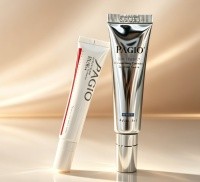
Tranexamic acid is a gentle, water-soluble brightening active derived from the amino acid lysine that helps fade the look of stubborn marks and uneven tone without the sting of stronger acids. It is prized for being calm enough for sensitive skin yet effective on discoloration that other brighteners struggle with, which is why it is increasingly called the gentle brightener. Rather than exfoliating, it works by helping the complexion look more balanced and uniform over time. PROGEN's Birch Tranexamic Acid & Licorice Serum pairs tranexamic acid with licorice root to visibly even tone while staying soothing for daily use.
1. What Is Tranexamic Acid?
Tranexamic acid is a water-soluble derivative of the amino acid lysine. In skin care it occupies a useful middle ground: it is a brightening active, yet it is far gentler than exfoliating acids and far more stable than vitamin C. That combination is exactly why formulators reach for it in serums aimed at stubborn marks and uneven tone.
Unlike AHAs and BHAs, tranexamic acid does not shed the surface of the skin. Instead, it helps the complexion look more even and balanced by supporting a calmer, more uniform appearance over consistent use. That behind-the-scenes approach is why it pairs so naturally with soothing ingredients like licorice root and niacinamide.
The Core Insight: Tranexamic acid is the brightener you turn to when stronger actives feel like too much. It does not tingle, it does not peel, and it does not demand special packaging — yet it keeps working on the discoloration that frustrates so many routines. Think of it as the steady corrector: quiet in feel, noticeable in result.
2. Why Tranexamic Acid Is "The Gentle Brightener"
Four properties make tranexamic acid a standout for tone correction:
- Targets stubborn marks — It helps fade the look of discoloration that other brighteners often leave behind, especially post-acne marks and patchy tone.
- Calms uneven tone — By supporting a more balanced complexion, it helps redness-tinted and sallow areas look more uniform.
- Gentle by nature — It is non-sensitizing and comfortable for sensitive and breakout-prone skin, with no exfoliation or sting.
- Stable and easy to formulate — It stays effective in normal formulas and pairs cleanly with niacinamide, licorice, and antioxidants.
This combination is why tranexamic acid shows up in calming brightening serums and why it is often layered with niacinamide for a one-two tone-correcting routine.
3. The Key Benefits of Tranexamic Acid
More Even, Balanced Tone
Consistent use helps the complexion look more uniform, softening the appearance of patchy discoloration and post-acne marks for a clearer, calmer finish.
Stubborn Marks Look Diminished
Where lighter brighteners stall, tranexamic acid helps fade the look of deeper, longer-standing marks, supporting a more perfected appearance over time.
A Calmer, More Comfortable Complexion
Because it does not exfoliate or irritate, tranexamic acid supports comfort — making it a smart choice for skin that flushes or reacts to stronger actives.
An Easy Team Player
Tranexamic acid layers well with niacinamide and licorice root, so brands can build a complete tone-correcting routine without clashing actives.
4. Tranexamic Acid vs Other Gentle Brighteners
| Active | Main job | Skin type | Stability | Best paired with |
|---|---|---|---|---|
| Tranexamic Acid | Stubborn marks, tone | Sensitive, discolored | Very stable | Niacinamide, licorice |
| Niacinamide | Tone, pores, barrier | All types | Very stable | Almost everything |
| Vitamin C | Brightening, antioxidant | Most (can tingle) | Needs protection | Niacinamide, SPF |
| Arbutin | Gentle brightening | Dull, uneven | Stable | Niacinamide, soothing agents |
The takeaway: if your tone concerns are stubborn and your skin is sensitive, tranexamic acid is the calm corrector; pair it with niacinamide for tone plus barrier, or with licorice root for an extra-soothing brightening boost.
5. How to Use Tranexamic Acid Safely
- Start at a sensible strength — Serums commonly use 2–5% tranexamic acid. More is not automatically better; this range is plenty for visible tone support.
- Use it morning and night — Tranexamic acid is stable and sits comfortably in both AM and PM routines, layered under moisturizer or serum.
- Pair with soothing allies — Licorice root, niacinamide, panthenol (vitamin B5), and centella asiatica keep the routine calm and comfortable.
- Always wear daytime sunscreen — Brightening actives work best when UV exposure is controlled; SPF is the foundation of even, healthy-looking skin.
- Be consistent, not aggressive — Tone correction builds gradually; daily, gentle use outperforms infrequent strong doses.
6. The PROGEN Approach: Tranexamic-Built Formulas
PROGEN develops tone-correcting formulas around tranexamic acid, each aimed at a different step of the routine:
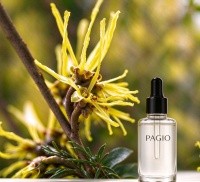
- Birch Tranexamic Acid & Licorice Serum — Tranexamic acid + licorice root to visibly even tone and soften the look of stubborn marks, while staying soothing for daily use.
- Anti-Wrinkle Brightening Serum — Niacinamide + bifida ferment lysate + centella asiatica, layered with tranexamic acid for combined tone and barrier support.
- Rose Cleansing Amino Acid Cleansing Mousse — A daily cleanser with niacinamide to brighten and control oil, reinforcing the barrier between treatments.
All are developed at PROGEN's Bio-Innovation R&D center, backed by 30-plus scientists and 50-plus patents, and available through OEM/ODM customization for brands building their own tranexamic acid line.
Frequently Asked Questions
Is tranexamic acid good for sensitive skin?
Yes — this is one of its biggest strengths. Tranexamic acid is non-sensitizing and comfortable for sensitive and breakout-prone skin because it does not exfoliate or sting. It supports a calmer, more even appearance rather than stripping the surface, which makes it a safe brightener for reactive skin. As always, do a patch test when trying a new product.
Can I use tranexamic acid with niacinamide or vitamin C?
Absolutely. Tranexamic acid pairs beautifully with niacinamide for tone-plus-barrier support, and with licorice root for extra-soothing brightening. It also sits comfortably next to vitamin C and sunscreen in a morning routine. Layering these is common and effective — tranexamic acid is the steady teammate that rarely clashes.
What percentage of tranexamic acid should I start with?
For everyday use, 2–5% tranexamic acid is the standard, effective range and is gentle enough for daily wear. Higher strengths exist but are rarely needed; consistency at a moderate strength delivers better visible tone correction than occasional strong doses.
How long until I see a more even tone?
Tone correction builds gradually. With consistent daily use, many people notice discoloration and marks looking softer and more balanced over several weeks, with continued improvement over time. Pairing tranexamic acid with niacinamide and daily SPF helps support the result.
Ready to Build with the Gentle Brightener?
Whether you are a skincare enthusiast wanting a calmer, more even routine or a brand sourcing a stable, sensitive-skin-friendly brightener, PROGEN's tranexamic-built formulas and Bio-Innovation R&D deliver biotech-backed solutions built on 30-plus scientists and 50-plus patents. Explore our OEM/ODM customization for your own tranexamic acid line.
Contact PROGEN — Explore Tranexamic SolutionsWe will respond within 24 hours with formulation details and sampling guidance.