



Squalane Explained: The Lightweight Emollient for Soft, Comfortable Skin
Quick Answer: What Is Squalane?
Squalane is a lightweight, stable emollient that fills the gaps between skin cells and softens the surface. It is not a humectant — it does not pull water in; it helps keep water from escaping and makes skin feel smooth. Most cosmetic squalane today is plant-derived, and it is unusually well tolerated, including on oily and blemish-prone skin. PROGEN's Bio-Innovation R&D center formulates squalane systems through OEM/ODM customization.
1. What Is Squalane?
Squalane is a carbon-hydrogen chain — a light, stable oil that skin accepts easily. Its job is emollience: it fills the microscopic gaps between skin cells, softens the surface, and slows water loss without forming a heavy seal.
The distinction matters. Humectants like hyaluronic acid and glycerin pull water toward the skin; emollients like squalane make the surface feel smooth and flexible. A comfortable routine usually needs both.
2. Squalane vs Squalene — One Letter, Big Difference
| Factor | Squalane | Squalene |
|---|---|---|
| Stability | Stable; resists oxidation | Oxidizes quickly |
| Use in skincare | The standard form | Rare; degrades in the bottle |
| Source | Plant-derived or synthetic | Typically animal-derived |
| Feel | Light, dry-touch oil | Not practical for formulas |
If a label says "squalene," it is usually either a mistake or a very unusual formula. The stable, usable form is squalane.
3. Where It Comes From
Squalane was historically sourced from shark liver oil. Today, the vast majority of cosmetic squalane is plant-derived — from olive, sugarcane, or other vegetable sources — or made through synthesis. For brands, the sourcing story is now a selling point rather than a technical footnote.
- Olive-derived — the most common; good stability and a familiar story.
- Sugarcane-derived — often used in fermentation-forward brands.
- Synthetic — consistent quality and supply.
4. How It Works — Filling the Gaps
Skin cells are held together like bricks in a wall, with lipids acting as mortar. Squalane behaves like a light oil that slips into that structure, softening the surface and reducing the amount of water that escapes through it.
Because it is dry-touch and close to the skin's own lipids, it does not sit on top like a heavy balm. That is why it appears in everything from facial oils to lightweight creams and even lip products.
The Core Insight: Squalane does not add water — it makes the surface feel soft and helps hold what is already there. Pair it with a humectant, not instead of one.
5. Squalane vs Other Oils
| Emollient | Feel | Best for |
|---|---|---|
| Squalane | Light, dry-touch, absorbs well | Most skin types, including oily |
| Mineral oil | Heavy, occlusive, sits on top | Very dry skin; body care |
| Plant oils (jojoba, rosehip) | Variable; some are rich | Dry skin; sensory appeal |
| Silicones | Slippery, smoothing film | Texture and slip |
The practical difference is weight. Squalane gives much of the softness of an oil without the heaviness that makes oily skin uncomfortable.
6. Why It Suits Almost Every Skin Type
- Oily skin — light enough not to feel greasy; does not add congestion in most formulas.
- Dry skin — softens and slows water loss without a thick film.
- Reactive skin — simple structure, low irritant profile, often fragrance-free in practice.
- With retinoids — a common buffer when the finish feels tight.
No ingredient suits everyone, but squalane comes closer than most oils. Patch testing is still sensible for highly reactive skin.
7. How to Use Squalane
- As a serum step: two or three drops pressed into damp skin, before cream.
- As a buffer: after a retinoid, when skin feels tight or flaky.
- Morning: a drop mixed into moisturizer for a softer finish under makeup.
- Beyond the face: cuticles, hair ends, and dry patches on the body.
- Order: water-based layers first, squalane after, cream to seal if needed.
8. Formulating with Squalane
- Use level. 5–20% is common in creams; facial oils may use it as the base at much higher levels.
- Source. Olive, sugarcane, and synthetic grades differ in color, odor, and story — specify which the brief calls for.
- Stability. It is robust, but oils still need antioxidant protection and standard stability work.
- Texture. Squalane improves spreadability and reduces tackiness from humectants.
- Claims language. "Softening," "comfortable," and "lightweight" are accurate; avoid overreaching claims.
9. PROGEN's Take — OEM/ODM Squalane Customization
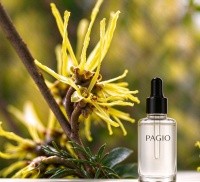
Squalane is a natural fit for our oil-based formats, including the Firming Facial Oil, which blends a broad plant-oil base for a light, cushioned finish. Typical OEM/ODM options:
- Formats — facial oils, creams, lotions, cleansing oils, and lip products.
- Source selection — olive, sugarcane, or synthetic, matched to positioning.
- Co-actives — ceramides, panthenol, peptides, bakuchiol, and botanical extracts.
- Texture tuning — from dry-touch oil to rich cream, adjusted for climate and skin type.
The full facial range shows where these oil formats fit. To develop your own, send a brief to our OEM/ODM team; the R&D group will handle texture trials and stability checks before production.
Is squalane good for oily skin?
Usually yes. It is light and close to the skin's own lipids, so it softens without the heaviness of richer oils. If a formula feels greasy, the issue is often the base, not the squalane itself.
Is squalane the same as squalene?
No. Squalene is the unstable, easily oxidized version; squalane is the stable form used in skincare. They differ by one hydrogen bond, which changes everything about how they behave in a bottle.
Can I use squalane with retinol?
Yes, and it is a common pairing. A drop after your retinoid can make the surface feel softer while skin adjusts.
Is squalane vegan?
Plant-derived and synthetic squalane are vegan; shark-derived squalane is not. Most modern cosmetic supply is plant-based, but check the specification if this matters for your brand.
Build Your Oil Line with PROGEN
From dry-touch facial oils to cushioned creams, PROGEN develops and manufactures squalane-based formulas under your brand.
Explore OEM/ODM OilsGMP-certified manufacturing · Oil / Cream / Lotion · Plant-derived or synthetic grades