









Skin Longevity Explained: Building a Routine for Long-Term Resilience
Quick Answer: What Is Skin Longevity?
Skin longevity is a framework rather than an ingredient: it means maintaining skin's comfort, evenness, and resilience over decades instead of chasing a single correction. In practice it prioritises daily sun protection, gentle cleansing, stable hydration, and moderate use of actives — repeated consistently rather than applied intensely. The term has largely replaced the older correction label in consumer search. PROGEN's Bio-Innovation R&D center formulates long-term care systems through OEM/ODM customization.
1. What "Skin Longevity" Actually Means
Skin longevity is the idea that how skin looks at 50 is mostly decided by what you do daily between 25 and 45 — not by one intensive course of anything. It shifts the question from "how do I fix this" to "how do I keep this stable."
That is a meaningful change in framing. Correction looks for a hero product; maintenance looks for a system that survives bad weeks, travel, and seasons.
2. Why the Language Changed
Over the past year, the claim "longevity" rose sharply in search interest while the older correction label declined. The shift is not cosmetic wordplay — it reflects how consumers now think.
| Old framing | New framing |
|---|---|
| Fix what has appeared | Maintain what is working |
| Intensity and percentages | Consistency and tolerance |
| One hero product | A stable, repeatable routine |
| React at the first sign | Prevent the conditions that create it |
Brands still selling the old correction story are speaking a language their customers have already stopped using.
3. The Five Pillars of Long-Term Care
- Daily sun protection. Nothing else compounds as reliably. It is also the easiest step to skip.
- Gentle cleansing. A low-pH cleanser preserves the surface film that everything else depends on.
- Stable hydration. Water-binding layers plus a sealing cream, adjusted by season.
- Moderate actives. Retinoids, acids, and vitamin C used on a schedule rather than at maximum strength.
- Recovery time. Deliberate low-activity days so skin is not always being pushed.
Notice that four of the five are habits, not purchases. That is the point of the framework.
4. What to Prioritise at Each Stage
These are focus areas, not promises. Skin varies far more between individuals than between age brackets.
| Stage | Typical focus | What compounds later |
|---|---|---|
| 20s | SPF habit, gentle cleansing, basic hydration | The daily habit itself |
| 30s | Consistent actives, tone evenness, sleep routine | Schedule discipline over intensity |
| 40s | Firmness support, richer sealing layers, eye area | Years of cumulative protection |
| 50s+ | Comfort, barrier support, generous moisture | Tolerance built over decades |
5. Where Actives Fit in a Long-Term Plan
The long-term view changes how actives are used. Instead of escalating strength, you build a rhythm.
- Retinoids: two or three nights a week, buffered, for years — not every night for three months.
- Vitamin C: morning, under SPF, as antioxidant support rather than a brightening sprint.
- Acids: scheduled, never daily by default; skip entirely during reactive weeks.
- Peptides and Pro-Xylane: daily support layers — low drama, easy to keep using.
A routine you can sustain for five years beats a stronger one you abandon in five weeks.
6. The Compounding Effect
Most skin change is cumulative and slow. Two people with identical skin can look different in a decade purely because one wore SPF on cloudy days and the other did not.
This is also why the "review cycle" matters: judging a routine weekly guarantees disappointment. Skin is better assessed in quarters, in consistent lighting, with the same camera and no filter.
The Core Insight: Longevity is not a stronger ingredient — it is a longer timeline. The routine that wins is the one still running in year three.
7. Common Mistakes
- Changing products every month. Nothing can be evaluated in four weeks.
- Escalating strength instead of frequency. Tolerance builds through repetition, not concentration.
- Skipping SPF indoors or in winter. Light exposure is cumulative, not seasonal.
- Running actives every single week. Skin needs low-activity days to stay comfortable.
- Judging by the mirror on a bad day. Photos in consistent light tell the truth.
8. How to Measure Progress
- Same light, same angle, same time of day. Once a month is enough.
- Review quarterly. Adjust one variable at a time.
- Track feel as well as look. Comfort and stability are leading indicators.
- Note reactive weeks. Patterns reveal which product or habit is the trigger.
9. PROGEN's Take — OEM/ODM Long-Term Care Systems
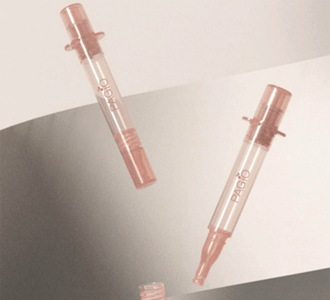
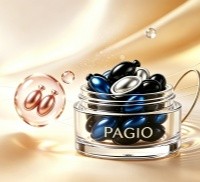
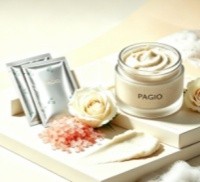
Long-term care is a system story, and it maps onto our range rather than a single SKU — for example the Rejuvenating Time-Freezing Serum as a daily support layer, and the Pro-Xylane firming cream as the sealing step. Typical OEM/ODM options:
- Systems — a three- to five-step set positioned as a routine, not a hero product.
- Support layers — peptides, Pro-Xylane, niacinamide, beta-glucan, panthenol.
- Texture laddering — light for warmer months, cushioned for colder ones, same actives.
- Positioning — unfragranced, reactive-skin-friendly, or minimalist long-term routines.
The full facial range shows how these pieces fit together. To develop your own system, send a brief to our OEM/ODM team; the R&D group will handle texture trials and stability checks before production.
Is skin longevity just a rebrand of the old correction model?
Not quite. The old model implies correcting what has appeared; longevity implies maintaining comfort and resilience over time. The practical difference is consistency over intensity.
Do I need a separate longevity product?
No. It is a framework, not an ingredient. A gentle cleanser, a hydrating layer, a sealing cream, and daily SPF cover most of it.
How long before I see a difference?
Comfort changes within weeks; tone and texture are usually reviewed over 12 weeks. Long-term results are best judged yearly.
Can I start late?
Yes. Starting daily SPF and gentle cleansing at any point reduces further cumulative exposure. Earlier is easier, but later still matters.
Build Your Long-Term Care System with PROGEN
From daily support serums to cushioned sealing creams, PROGEN develops and manufactures systems built for years of use.
Explore OEM/ODM SystemsGMP-certified manufacturing · Serum / Cream / Essence · Routine-first development