








PDRN and Nucleic Acid Skincare Explained: The Biotech Ingredients Behind Next-Gen Brightening and Skin Renewal
Quick Answer: What Is PDRN, and How Does Nucleic Acid Skincare Work?
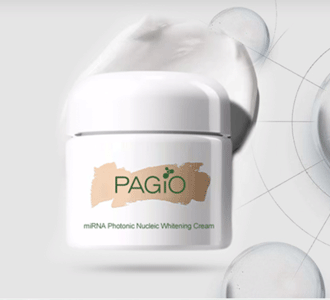
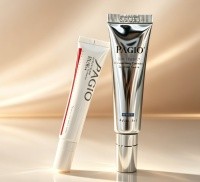
PDRN (polydeoxyribonucleotide) is a nucleic-acid active derived from salmon DNA that has become one of K-beauty's most talked-about ingredients, prized for supporting skin regeneration and renewal. It belongs to a new generation of "nucleic acid skincare" — biotech ingredients that work at the genetic level rather than the surface. The frontier of this category is miRNA technology, the subject of the 2024 Nobel Prize in Physiology or Medicine. PROGEN's Photonic Nucleic Whitening Cream harnesses this Nobel-recognized science — using miR-490-3p to downregulate melanin synthesis at its genetic source for gentle, long-lasting brightening.
1. What Is PDRN?
PDRN — short for polydeoxyribonucleotide — is a naturally derived nucleic-acid molecule, most commonly sourced from salmon DNA. It consists of short fragments of DNA that, when applied to the skin, are recognized by the body's own cells as "building blocks" for repair and renewal.
Originally developed in professional settings to support tissue regeneration, PDRN has crossed over into skincare as a headline ingredient — driven by the K-beauty ecosystem, where it appears in serums, masks, and ampoules marketed for skin renewal, hydration, and a more even, resilient complexion. The Irish beauty press named PDRN one of the defining ingredients of 2026, reflecting how quickly it has moved from a specialist niche to mainstream skincare vocabulary.
What makes PDRN significant is not a single dramatic effect, but its mechanism: unlike surface-level actives that sit on top of the skin, nucleic-acid ingredients interact with skin cells' own machinery, supporting regeneration from within.
The Shift to Genetic-Level Skincare: Traditional brightening and anti-aging ingredients work at the protein level — inhibiting enzymes, blocking transfer, or exfoliating the surface. Nucleic-acid skincare (PDRN, miRNA) works one step deeper, influencing the genetic instructions that drive skin cell behavior. This is the frontier of biotech beauty, and it is why the category is growing so fast.
2. The Nucleic Acid Skincare Revolution: PDRN and Beyond
PDRN is the most visible example of a broader trend: nucleic-acid skincare. This category uses DNA- and RNA-derived molecules to influence how skin cells behave. Two key actives define it:
- PDRN (DNA fragments) — supports skin regeneration and repair by providing nucleotide building blocks that cells recognize and use. Best known for renewal and skin-resilience benefits.
- miRNA (microRNA) — small non-coding RNA molecules that regulate gene expression. The discovery of miRNA's role in gene regulation earned Victor Ambros and Gary Ruvkun the 2024 Nobel Prize in Physiology or Medicine, validating the science underpinning this category.
The shared principle: instead of adding another surface ingredient, nucleic-acid actives signal or supply the skin's own cellular machinery — a more precise, more fundamental approach that many see as the next decade of skincare innovation.
3. PROGEN's miRNA Whitening: The Nobel-Inspired Approach
Where PDRN supports regeneration, PROGEN's Photonic Nucleic Whitening Cream applies nucleic-acid science to a different goal: brightening at the genetic source.
Here is how it works:
- miR-490-3p — the "off switch" for melanin — this specific microRNA regulates (downregulates) the expression of tyrosinase synthesis genes. Tyrosinase is the key enzyme that produces melanin; by turning down its genetic instructions, the cream reduces melanin production before it even begins.
- DN-Aura technology — PROGEN's proprietary approach that promotes the production of miR-490-3p, amplifying this natural regulator.
- "4+2+1" Seven-Chain Whitening — a layered system that eliminates dullness, yellowness, and redness for comprehensive, long-lasting radiance — not just temporary surface brightening.
- Bionic Liquid Crystal System — an advanced delivery structure that helps the actives penetrate effectively for stable, sustained results.
This is the key advantage of genetic-level whitening: gentleness. Traditional brighteners often work by exfoliating or aggressively inhibiting enzymes — which can irritate sensitive skin. By regulating the genetic source instead, PROGEN's approach delivers brightening while emphasizing safety and mildness.
4. Why Nucleic Acid Skincare Is Different
To appreciate what makes this category special, it helps to compare it against traditional approaches:
| Approach | How It Works | Key Limitation |
|---|---|---|
| Surface actives | Sit on the skin's surface to hydrate or protect | No lasting change in skin behavior |
| Protein-level actives | Inhibit enzymes or block melanin transfer | Can irritate; effects fade when use stops |
| Nucleic-acid actives (PDRN, miRNA) | Influence the genetic instructions behind skin behavior | Newer category; results build over time |
The trade-off is clear: nucleic-acid skincare is gentler and more fundamental, but it works through gradual, cumulative support rather than overnight surface changes. For consumers seeking long-term, science-backed results without irritation, this is precisely the appeal.
5. How to Incorporate Nucleic Acid Skincare
- Be consistent — nucleic-acid actives work through gradual cellular support. Daily use over 8-12 weeks produces the most visible results.
- Pair with sunscreen — for brightening goals especially, daily SPF is essential. Genetic-level brightening reduces melanin production, but UV exposure will still re-trigger it without protection.
- Layer thoughtfully — nucleic-acid products (serums, creams, ampoules) layer well with hydrating ingredients like hyaluronic acid and niacinamide. Apply after cleansing, before heavier moisturizers.
- Gentle enough for sensitive skin — one of the category's core benefits is mildness. Introduce gradually and monitor how your skin responds, but most skin types tolerate nucleic-acid actives well.
Frequently Asked Questions
What is the difference between PDRN and miRNA in skincare?
Both are nucleic-acid actives, but they work differently. PDRN (DNA fragments) supports skin regeneration and repair by providing nucleotide building blocks. miRNA (microRNA) regulates gene expression — turning specific genes up or down. In brightening, a specific miRNA (miR-490-3p) downregulates tyrosinase genes to reduce melanin production. PROGEN's Photonic Nucleic Whitening Cream uses this miRNA approach for genetic-level brightening.
Is nucleic acid skincare safe for sensitive skin?
Generally yes — gentleness is one of the category's defining advantages. Because nucleic-acid actives work at the genetic level rather than through harsh exfoliation or aggressive enzyme inhibition, they tend to be well-tolerated by sensitive skin. As with any new ingredient, introduce it gradually and observe how your skin responds.
How long does nucleic acid skincare take to work?
Results build gradually. Because these actives influence cellular behavior over time rather than producing immediate surface changes, expect to see meaningful results over 8-12 weeks of consistent use. The benefit of this gradual approach is that results tend to be longer-lasting than quick-fix surface products.
Is the Nobel Prize connection real, or just marketing?
The 2024 Nobel Prize in Physiology or Medicine was genuinely awarded to Victor Ambros and Gary Ruvkun for the discovery of microRNA (miRNA) and its role in gene regulation. This is the foundational science behind PROGEN's miRNA-based whitening technology. While the Nobel Prize itself does not endorse any specific product, the scientific principle the cream leverages is legitimate, peer-reviewed biology.
Ready to Experience Genetic-Level Skincare?
Whether you are a skincare enthusiast seeking next-gen brightening or a brand sourcing biotech formulations, PROGEN's Photonic Nucleic Whitening Cream delivers Nobel-inspired miRNA technology backed by 30-plus scientists and 50-plus patents. Explore our OEM/ODM customization for your own brand.
Contact PROGEN — Explore Biotech Skincare SolutionsWe will respond within 24 hours with product details and formulation guidance.