






Microbiome Skincare Explained: How Postbiotics and Fermented Actives Support Healthier Skin
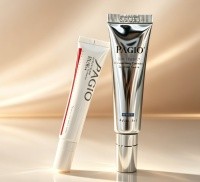
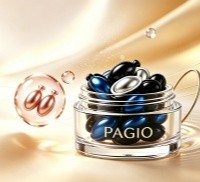
Your skin hosts a living ecosystem of microorganisms — the skin microbiome — that plays a key role in barrier health, resilience, and calmness. Microbiome skincare supports this ecosystem using three ingredient categories: probiotics (live bacteria), prebiotics (food for good bacteria), and postbiotics (the beneficial byproducts bacteria produce — the most stable, formulation-friendly option). Fermented actives like Bifida Ferment Lysate are the postbiotic workhorses of modern skincare, supporting barrier repair and skin resilience. PROGEN's Facial Skincare Series builds this into multiple products, centered on a dedicated Bifida Ferment Anti-Wrinkle Firming Serum. Your skin is not sterile — it is home to a diverse community of microorganisms, including bacteria, fungi, and other microbes, collectively known as the skin microbiome. Far from being a problem, this ecosystem is essential: a balanced microbiome helps maintain the skin's barrier, supports its natural defenses, and keeps it calm and resilient. Think of the microbiome as an invisible protective layer working alongside your skin barrier. When it is balanced, skin looks healthy, calm, and clear. When it is disrupted — by harsh cleansers, over-exfoliation, pollution, or stress — the ecosystem falls out of balance, and skin can become reactive, dry, or congested. The skincare world's growing focus on the microbiome reflects a simple realization: healthy skin starts with a healthy skin ecosystem. Supporting the good microbes — rather than stripping everything away — is a gentler, more sustainable path to resilient skin. The Ecosystem Principle: For decades, skincare treated "clean" as the enemy of bacteria — stripping and sanitizing. The microbiome era flips this: the goal is not to eliminate microbes, but to support a balanced, diverse, healthy ecosystem. This is why gentle, microbiome-friendly formulas are replacing harsh, over-cleansing ones. Microbiome skincare uses three related ingredient categories — and understanding the difference is the key to choosing wisely: The insight that drove postbiotics to the front of skincare: you do not need live bacteria to get microbiome benefits. The fermented byproducts they produce — rich in supportive compounds — can be bottled directly, offering real results with excellent stability. The flagship postbiotic in modern skincare is fermented ingredients, created through the same fermentation process used in food and biotechnology. The standout example is Bifida Ferment Lysate — a fermented extract derived from a bifidobacterium species. During fermentation, the bacterial culture breaks down raw ingredients into smaller, more bioavailable molecules and produces a rich cocktail of supportive byproducts. The resulting lysate (a "broken-down cell" extract) is prized in skincare for its ability to: This is the "postbiotic advantage": the stability and potency of fermentation, delivering microbiome benefits without the fragility of live bacteria. PROGEN's Facial Skincare Series integrates Bifida Ferment Lysate throughout the routine, with a dedicated flagship product: This "microbiome everywhere" strategy reflects the modern principle that a healthy skin ecosystem is the foundation of every other skincare goal. Explore the full range at our Bio-Innovation R&D center, backed by 30-plus scientists and 50-plus patents. The science is real and growing. The skin microbiome demonstrably influences barrier function and skin resilience, and postbiotic ingredients (like fermented lysates) have measurable skin-supporting effects. The formulation matters more than the label — look for fermented actives at meaningful concentrations, paired with barrier-supporting ingredients, rather than a product that simply prints "microbiome" on the label. Probiotics are live bacteria, which are difficult to keep alive and stable in skincare. Bifida ferment lysate is a postbiotic — a fermented extract produced by a bifidobacterium, containing the beneficial byproducts of fermentation. It delivers microbiome benefits without needing live organisms, making it far more stable and reliable in a bottle. It is essentially the "result" of probiotics, bottled directly. Yes — supporting a balanced microbiome is closely tied to soothing reactivity. Fermented and postbiotic ingredients help reinforce the barrier and calm the skin, which benefits sensitive and redness-prone complexions. The key is pairing microbiome-supporting actives with a gentle routine — harsh cleansers and over-exfoliation are the fastest ways to disrupt the ecosystem. Generally yes. Fermented ingredients like bifida ferment lysate are well-tolerated across skin types and are valued for their gentle, balancing nature. They are especially beneficial for barrier-compromised, sensitive, or early-aging skin. As with any active, introduce new products gradually and observe how your skin responds. Whether you are a skincare enthusiast seeking balanced, resilient skin or a brand sourcing microbiome-friendly formulations, PROGEN's Facial Skincare Series delivers fermented, postbiotic-powered skincare backed by 30-plus scientists and 50-plus patents. Explore our OEM/ODM customization for your own brand. We will respond within 24 hours with product details and formulation guidance.Quick Answer: What Is Microbiome Skincare and How Does It Work?
1. What Is the Skin Microbiome?
2. Probiotics, Prebiotics, and Postbiotics: What's the Difference?
3. Fermented Actives: The Postbiotic Powerhouse
4. The PROGEN Approach: Bifida Ferment Across the Routine
5. How to Build a Microbiome-Friendly Routine
Frequently Asked Questions
Is microbiome skincare just a marketing trend, or does it really work?
What is the difference between bifida ferment lysate and probiotics?
Can microbiome skincare help with sensitive or reactive skin?
Are fermented skincare ingredients suitable for all skin types?
Ready to Support a Healthier Skin Ecosystem?