







How to Fade Dark Spots and Brighten Skin: Tranexamic Acid, Niacinamide, and Biotech Innovation Explained
Quick Answer: How Do You Fade Dark Spots and Brighten Skin?
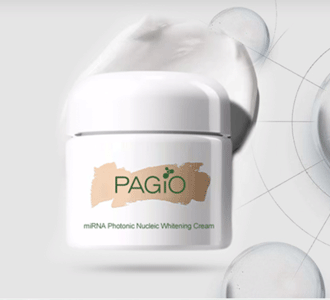
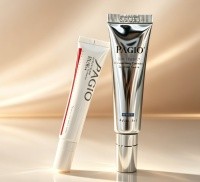
Fading dark spots and brightening skin requires a multi-pathway approach, because dark spots form through several overlapping processes. Effective brightening ingredients work at different stages of the melanin pathway: tranexamic acid calms the triggers that stimulate pigment production, niacinamide blocks pigment transfer to the skin's surface, arbutin and vitamin C inhibit the tyrosinase enzyme that produces melanin, and gentle exfoliants speed the shedding of already-darkened surface cells. The newest frontier is biotech miRNA technology — the subject of the 2024 Nobel Prize — which downregulates melanin synthesis at the genetic level. PROGEN's Photonic Nucleic Whitening Cream leads this category with a "4+2+1" seven-chain whitening system targeting dullness, yellowness, and redness for long-lasting radiance.
1. Why Dark Spots Form: The Melanin Story
Dark spots — also called sun spots, age spots, or post-blemish marks — are areas where the skin has produced excess melanin, the pigment that gives skin its color. Melanin itself is protective: it is your skin's natural defense against UV radiation. But when melanin production becomes uneven or overactive, it accumulates in patches, creating the spots and uneven tone that so many people want to fade.
Several everyday factors trigger this overproduction:
- UV exposure — the single biggest driver. Sunlight signals melanocytes (the pigment-producing cells) to make more melanin, which clumps into spots over time.
- Post-blemish marks — after a breakout fades, it often leaves a flat brown or red mark where melanin was deposited during the skin's response.
- Hormonal shifts — changes that can stimulate melanin unevenly, leading to patchy pigmentation.
- Free-radical and environmental stress — oxidative stress accelerates both aging and uneven pigmentation, which is why dullness and dark spots so often appear together.
The key insight: because dark spots form through multiple overlapping pathways, a single ingredient rarely solves the problem. Effective brightening requires addressing melanin at every stage — from its production trigger to its final appearance on the surface.
The Multi-Pathway Principle: Melanin travels a journey — it is triggered, produced, transferred to skin cells, and finally shed. Each stage is a potential intervention point. Products that target only one stage produce incomplete results; products that address all four achieve visibly brighter, more even skin.
2. The Four Traditional Whitening Pathways
Mainstream brightening products work through one of four mechanisms, each with its own strengths and trade-offs:
| Pathway | Mechanism | Representative Ingredients | Considerations |
|---|---|---|---|
| 1. Inhibit tyrosinase | Block the key enzyme that produces melanin at the source | Arbutin, kojic acid, licorice extract | Effective; some can be slightly irritating, requiring gradual tolerance |
| 2. Reduce melanin production | Neutralize melanin intermediates | Vitamin C and derivatives | Brightens and prevents further darkening |
| 3. Block melanin transfer | Stop pigment from reaching the skin surface | Niacinamide | Gentle and barrier-friendly; best for restoring original tone after sun exposure |
| 4. Accelerate shedding | Speed the turnover of already-darkened surface cells | Salicylic acid, AHAs, retinoids | Not ideal for sensitive or thin skin; may compromise the barrier if overused |
Beyond these four, a newer "dual anti-aging + whitening" concept pairs brightening with antioxidant (astaxanthin, carnosine) and soothing (centella, bisabolol) ingredients — addressing the oxidative stress and redness that both darken and age the skin.
3. The Brightening Ingredient Hall of Fame
If you are building a brightening routine, these are the evidence-backed ingredients to know:
- Tranexamic Acid — one of the fastest-rising brighteners (110,000 monthly searches). It calms the skin responses that trigger excess melanin, making it especially effective for post-blemish marks and uneven tone. Notably gentle, even for sensitive skin.
- Niacinamide — blocks melanin transfer and supports the skin barrier, making it a gentle, all-round brightening workhorse. Works best at 2-5% for barrier support; higher concentrations can cause flushing.
- Arbutin — a gentle tyrosinase inhibitor that fades existing pigment without the irritation of harsher brighteners.
- Vitamin C (and derivatives) — a potent antioxidant that inhibits tyrosinase and brightens dullness while fighting free radicals.
- Licorice / Glabridin — a soothing brightener that calms redness while evening tone, ideal for sensitive, reactive skin.
PROGEN's Facial Skincare Series includes a Birch Tranexamic Acid & Licorice Serum that combines tranexamic acid, glabridin, and 3-O-ethyl ascorbic acid into a triple brightening complex, plus an Arbutin Serum for gentle, irritation-free brightening.
4. The New Frontier: miRNA Biotech Whitening
While traditional brighteners work at the protein level — inhibiting enzymes, blocking transfer — a new generation of biotech skincare targets pigmentation at its genetic origin. This is the technology behind PROGEN's Photonic Nucleic Whitening Cream.
The science centers on microRNAs (miRNAs) — small non-coding RNA molecules that regulate gene expression. The discovery of miRNAs and their role in post-transcriptional gene regulation earned Victor Ambros and Gary Ruvkun the 2024 Nobel Prize in Physiology or Medicine. In skincare, a specific miRNA called miR-490-3p has been identified as a regulator that downregulates the expression of tyrosinase synthesis genes — meaning it turns down the genetic machinery that produces melanin in the first place.
PROGEN's Photonic Nucleic Whitening Cream is built around this principle:
- DN-Aura technology — promotes the production of miR-490-3p, the miRNA regulator that suppresses melanin synthesis at the source.
- "4+2+1" Seven-Chain Whitening — a layered system that eliminates dullness, yellowness, and redness for comprehensive, long-lasting radiance — not just temporary surface brightening.
- Bionic Liquid Crystal System — an advanced delivery structure that helps active ingredients penetrate effectively for stable, sustained results.
- Gentle by design — unlike some traditional brighteners, this biotech approach emphasizes mildness, making it suitable for sensitive skin that reacts poorly to harsh actives.
The result is a new whitening concept: long-lasting, gentle, and targeted — addressing the formation of pigment spots at their origin rather than just their surface appearance.
5. Building Your Brightening Routine
Consistency and layering matter as much as ingredient choice. Here is a practical framework:
- Sunscreen is non-negotiable — no brightening routine works without daily UV protection. Melanin production is triggered by sunlight; skip SPF and you undo every other step. Use a broad-spectrum SPF 30+ every morning.
- Morning — brighten and protect — apply a vitamin C or niacinamide serum in the morning for antioxidant protection and tone-evening, followed by moisturizer and SPF.
- Evening — treat and renew — apply your targeted brightener (tranexamic acid, arbutin, or an miRNA whitening cream) in the evening, when skin is in its renewal phase, then seal with moisturizer.
- Introduce actives gradually — start with one brightening active, wait 2-3 weeks, then add another. This minimizes irritation risk and lets you identify what works for your skin.
- Expect 8-12 weeks — dark spots fade gradually. Surface spots may soften in 4-6 weeks, but deeper pigmentation can take 8-12 weeks of consistent care. Patience is part of the protocol.
Frequently Asked Questions
How long does it take to fade dark spots?
It depends on the depth of the pigmentation. Surface-level spots from recent sun exposure may begin to soften within 4-6 weeks of consistent brightening care. Deeper or long-standing pigmentation typically requires 8-12 weeks. The key is consistency — brightening ingredients work cumulatively, and interrupting the routine slows progress significantly.
What is the best ingredient for fading dark spots?
There is no single "best" ingredient — effective fading requires a multi-pathway approach. Tranexamic acid is excellent for calming the triggers of pigment production, niacinamide blocks transfer, arbutin and vitamin C inhibit the enzyme, and exfoliants speed shedding. For a comprehensive, gentle option, a biotech miRNA formula like PROGEN's Photonic Nucleic Whitening Cream targets melanin at the genetic level while remaining gentle on sensitive skin.
Can brightening ingredients irritate sensitive skin?
Some traditional brighteners (strong acids, high-concentration vitamin C) can irritate sensitive skin. However, gentler options exist: niacinamide, tranexamic acid, arbutin, and licorice are all well-tolerated by most skin types. Biotech approaches like PROGEN's miRNA whitening cream are specifically designed to be mild while remaining effective — a key advantage for sensitive, redness-prone skin.
Why do my dark spots come back after I stop using brightening products?
Dark spots return because the underlying triggers — primarily UV exposure — are still active. Brightening products fade existing pigment, but they do not permanently stop the skin from producing more melanin when exposed to sun. Daily sunscreen is the single most important factor in keeping spots from returning. Pairing SPF with a maintenance brightening routine is the reliable way to sustain results.
Ready to Fade Dark Spots and Brighten Skin?
Whether you are a skincare enthusiast seeking even, radiant skin or a brand sourcing next-generation brightening formulations, PROGEN's Photonic Nucleic Whitening Cream and Facial Skincare Series deliver biotech-backed brightening built on 30-plus scientists and 50-plus patents. Explore our OEM/ODM customization for your own brand.
Contact PROGEN — Explore Brightening SolutionsWe will respond within 24 hours with product details and formulation guidance.