


Glycolic Acid Explained: The Smallest AHA for Brighter, Smoother, Refined-Looking Skin
Quick Answer: What Is Glycolic Acid and Why Is It Called the Smallest AHA?
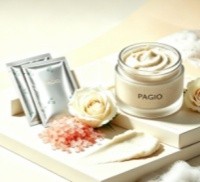
Glycolic acid is the smallest alpha-hydroxy acid (AHA), naturally derived from sugar cane, which is exactly why it is called the smallest AHA. Its tiny molecular size lets it reach a little deeper into the surface than larger acids, so it gently loosens the bonds that hold dull, rough cells in place and helps them shed more easily. The visible result is brighter tone, smoother texture, and a more refined look. PROGEN's Avocado Multi-Acid Pore Refining Mask pairs glycolic with lactic and mandelic acids plus clays to smooth and decongest the look of congested skin.
1. What Is Glycolic Acid?
Glycolic acid is an alpha-hydroxy acid (AHA) made from sugar cane. Among the common AHAs it has the smallest molecule, which matters more than it sounds: a smaller molecule can move a little deeper into the surface layer of the skin, where it helps loosen the "glue" that keeps dull, rough cells attached. When those cells shed more easily, the fresher surface underneath shows through.
Because it is water-soluble, glycolic acid works at the surface rather than inside the pore. That makes it a go-to for people who want their complexion to look brighter, smoother, and more even — the classic "glass-skin" glow that comes from regular, gentle surface renewal.
The Core Insight: Glycolic acid is the most efficient exfoliating AHA because it is the smallest. Size is its superpower — and its caveat. It reaches further, so it works faster, but it also asks for sensible strength and daily sun protection. Think of it as the sprinter of the acid world: fastest results, best handled with a steady pace.
2. Why Glycolic Acid Is "The Smallest AHA"
Four properties come straight from that small molecular size:
- Deeper surface reach — Its tiny size lets glycolic go a little further than lactic or mandelic acids, so it feels more active on rough, uneven skin.
- Brightening from renewal — By helping dull cells turn over, it reveals a more luminous, even-looking surface.
- Refined-looking pores — Regular use helps decongest the surface so pores look cleaner and less prominent.
- Smoothes texture — Rough, bumpy patches feel softer and look more polished with consistent use.
This is why glycolic shows up in toners, serums, masks, and cleansers — it is the workhorse acid for a smoother, glowier finish.
3. The Key Benefits of Glycolic Acid
Brighter, More Luminous Tone
By helping the surface turn over, glycolic acid fades the look of dullness and patchy tone, so the complexion appears more radiant and uniform.
Smoother, Softer Texture
Rough, uneven patches feel refined and polished as dead cells are cleared away — the foundation of that smooth, touchable finish.
Refined-Looking Pores
Glycolic helps decongest the very top of the skin, which makes pores look tighter and cleaner, especially in congested areas.
A Fresher, More Even Finish
Combined with the brightening effect, regular gentle use helps fine lines and skin tone look softer and more refreshed overall.
4. Glycolic Acid vs Other AHAs
| Active | Molecular size | Main feel | Skin type | Best used in |
|---|---|---|---|---|
| Glycolic Acid | Smallest | Strongest surface renewal | Most (start low) | Toner, mask, serum |
| Lactic Acid | Medium | Gentle + hydrating | Dry, sensitive | Cream, serum |
| Mandelic Acid | Largest | Gentlest, calming | Sensitive, breakout-prone | Serum, peel-style mask |
| Citric Acid | Small | Antioxidant support | All | Toner, brightening blend |
The takeaway: choose glycolic when you want the most noticeable smoothing and brightening from an AHA and your skin tolerates it well. If your skin is sensitive or reactive, start with mandelic or lactic, or use glycolic at a lower strength a few times a week. For tone correction without exfoliation, pair it with tranexamic acid.
5. How to Use Glycolic Acid Safely
- Start at a sensible strength — Daily products commonly use 5–8% glycolic acid; masks and intensive formulas may reach 10%. More is not automatically better.
- Use it in the evening — Glycolic can make skin more responsive to sunlight, so PM application with a protected morning routine works best.
- Always wear daytime sunscreen — This is the single most important rule with any AHA. SPF is what keeps the brighter, smoother result looking healthy.
- Space out strong actives — When starting, alternate glycolic nights with retinoid or other-acid nights rather than stacking them, and do a patch test first.
- Buffer if you are new — Apply after a light moisturizer, or begin with 1–2 uses a week, then build up as your skin adjusts.
6. The PROGEN Approach: Glycolic-Built Formulas
PROGEN develops several exfoliating and smoothing formulas around glycolic acid, each aimed at a different step of the routine:
- Avocado Multi-Acid Pore Refining Mask — Glycolic + lactic + mandelic acids with 3 clays to smooth texture, refine the look of pores, and decongest combination and blemish-prone skin.
- Anti-Wrinkle Brightening Serum — Pairs brightening actives with soothing bifida ferment lysate and centella asiatica to even tone while keeping skin calm between acid steps.
- Rose Cleansing Amino Acid Cleansing Mousse — A daily cleanser that refreshes and balances oil, reinforcing comfort between glycolic steps.
All are developed at PROGEN's Bio-Innovation R&D center, backed by 30-plus scientists and 50-plus patents, and available through OEM/ODM customization for brands building their own glycolic acid line.
Frequently Asked Questions
Is glycolic acid safe for sensitive skin?
It can be, but it is the most active AHA, so sensitive skin should start low — around 5% and just 1–2 times a week — or choose mandelic or lactic acid instead. Always patch test, buffer with moisturizer, and stop if skin feels persistently stinging or tight. As tolerance builds, frequency can increase gradually.
Can I use glycolic acid with retinol?
Yes, but not usually on the same night when you are starting. Alternate them — glycolic in the evening on some nights, retinol on others — so each has room to work without overloading the skin. A soothing serum or moisturizer between steps helps keep the routine comfortable, and daily SPF is essential.
What percentage of glycolic acid should I start with?
For everyday use, 5–8% glycolic acid is plenty to see smoother, brighter results, while 10% is more typical in masks or short-contact intensive formulas. Higher percentages are not automatically better and can feel harsh; consistency at a moderate strength delivers a more refined look than occasional strong doses.
How often should I use glycolic acid?
Begin with 1–2 evenings a week, then build toward every other night as your skin adjusts. Because glycolic increases sun sensitivity, daytime sunscreen is non-negotiable, and pausing for a few days if skin feels dry or tight is perfectly fine. Gentle, regular use outperforms aggressive daily exfoliation.
Ready to Build with the Smallest AHA?
Whether you are a skincare enthusiast wanting a smoother, glowier routine or a brand sourcing a proven, high-demand exfoliating active, PROGEN's glycolic-built formulas and Bio-Innovation R&D deliver biotech-backed solutions built on 30-plus scientists and 50-plus patents. Explore our OEM/ODM customization for your own glycolic acid line.
Contact PROGEN — Explore Glycolic SolutionsWe will respond within 24 hours with formulation details and sampling guidance.