








Barrier Care Explained: The Routine Order That Keeps Skin Comfortable and Resilient
Quick Answer: What Is Barrier Care?
Barrier care is the practice of keeping the skin's outer layer comfortable and intact — and the order of your routine matters more than the products in it. The barrier is a lipid-rich outer layer that holds water in and irritants out. It is supported by gentle cleansing, water-binding hydration, a light sealing layer, and daily sun protection, applied in that sequence. When skin feels reactive, the fastest fix is usually subtraction, not addition. PROGEN's Bio-Innovation R&D center formulates barrier-friendly systems through OEM/ODM customization.
1. What "Barrier Care" Actually Means
The skin barrier is the outermost layer — a tightly packed arrangement of skin cells held together by lipids, with a thin film of water and oil on top. Its job is simple: keep water in, keep irritants out.
Barrier care is the everyday maintenance of that setup. It is not an emergency procedure, and it is not a single product. It is what you do consistently so the surface stays comfortable — and what you stop doing when it doesn't.
2. Why Order Matters More Than Products
Most people obsess over which serum to buy and ignore the sequence. That is backwards. Order determines three things:
- What gets absorbed. Water-based layers go first; anything oily or creamy goes after.
- What gets buffered. A sealing layer placed too early blocks the hydrating layers beneath it.
- What causes irritation. Actives applied to damp, freshly cleansed skin penetrate faster — which is not always desirable.
A modest routine in the right order outperforms an expensive routine in the wrong one.
3. The Barrier-Friendly Sequence
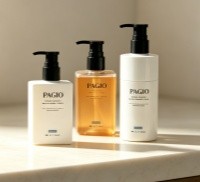
- Cleanse gently. A low-pH, amino-acid-based cleanser removes residue without stripping. Lukewarm water, not hot.
- Hydrate on damp skin. Water-binding layers — hyaluronic acid, polyglutamic acid, beta-glucan, glycerin — work best while the surface is still wet.
- Seal lightly. A cream with ceramides, squalane, or panthenol slows water loss without suffocating the skin.
- Protect every morning. Broad-spectrum SPF is the step that prevents daily damage from undoing the rest.
Notice what is missing: nothing here exfoliates, peels, or "boosts" anything. That is deliberate. Barrier care is the floor, not the ceiling.
4. Where Actives Fit
Actives are not the enemy — badly placed actives are. The practical rules:
- Exfoliating acids: evening only, two or three times a week, followed by a sealing cream. Never on the same evening as a retinoid.
- Retinoids: after cleansing, before moisturizer, on dry skin. Buffer with a cream if the finish feels tight.
- Vitamin C: morning, before moisturizer, always under SPF.
- When skin is reactive: pause all of the above for a week. Barrier care first, actives later.
5. Five Habits That Undermine Comfort
- Hot water and long showers. Heat strips lipids faster than any cleanser.
- Cleansing more than twice a day. Morning and evening is enough for most people.
- Leaving a sheet mask on until it dries. Ten to fifteen minutes is the useful window; after that the mask starts pulling water back out.
- Changing products every week. Nothing can be assessed in seven days, and constant switching keeps skin guessing.
- Sealing too heavily. A thick occlusive layer on reactive skin can trap heat and cause congestion — comfort is not the same as weight.
6. Adjusting Texture by Season
The sequence stays the same all year; the weights change.
| Season | Hydration layer | Sealing layer |
|---|---|---|
| Cold / dry | Polyglutamic acid or beta-glucan essence | Ceramide cream or a few drops of facial oil |
| Warm / humid | Light hyaluronic or glycerin serum | Gel-cream or lotion |
| Transitional | Layered essence | Lotion plus spot cream where needed |
7. The Three-Product Reset
When skin stings, flushes, or feels tight all day, the answer is almost never a new product. Try this for seven to ten days:
- Gentle cleanser — once at night, water rinse in the morning.
- One hydrating layer — the blandest one you own.
- One sealing cream — fragrance-free, ceramide or panthenol based.
Plus SPF in the morning. That is the entire routine. Most reactive episodes settle within a week of this, and it costs nothing.
8. Formulating for Barrier Comfort
- Surfactants. Amino-acid or isethionate systems at a weakly acidic pH are the standard for gentle cleansing.
- Fragrance. Skip it. Fragrance is the most common avoidable irritant in leave-on products.
- Lipids and humectants. Ceramides, squalane, panthenol, glycerin, and beta-glucan form the core of a comfort formula.
- Texture. A comfortable cream spreads easily and disappears; a heavy one sits on top and traps heat.
- Claims language. "Comforting," "barrier-friendly," and "for reactive-feeling skin" are accurate and defensible.
9. PROGEN's Take — OEM/ODM Barrier-Friendly Customization
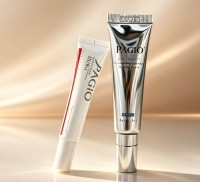
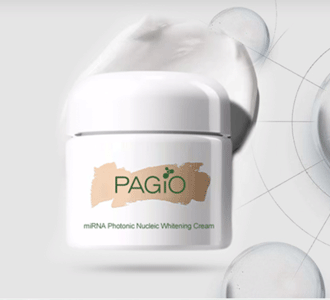
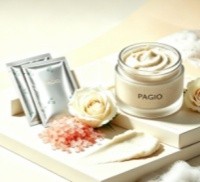
Comfort-led formulas are a core part of our range — including the Vitamin B5 Soothing Mask, built on panthenol and calming botanicals, and the Pro-Xylane firming cream, which gives a cushioned seal without heaviness. Typical OEM/ODM options:
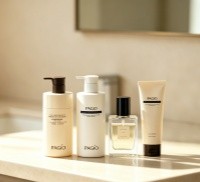
- Formats — cleansers, essences, lotions, creams, and masks.
- Free-from positioning — fragrance-free, essential-oil-free, or dye-free.
- Co-actives — ceramides, squalane, panthenol, beta-glucan, centella, polyglutamic acid.
- Texture tuning — from watery essence to cushioned cream, matched to season and skin type.
The full facial range shows how these formats fit together. To develop your own, start a brief with our OEM/ODM team; the R&D group will run texture trials and stability checks ahead of production.
How long does it take for skin to feel comfortable again?
Usually a few days to a week of gentle care. If discomfort persists beyond two weeks, or comes with swelling or broken skin, see a healthcare professional — that is outside what a routine can address.
Do I need a separate barrier serum?
No. A hydrating layer plus a cream with ceramides or panthenol covers the same ground. A dedicated serum is a convenience, not a requirement.
Can I still exfoliate?
Yes, once skin is comfortable again — two or three evenings a week, followed by a sealing cream. Skip it entirely during a reactive episode.
Is a thicker cream always better for the barrier?
No. Comfort comes from the right balance of water and lipids, not from weight. A heavy occlusive layer can trap heat and cause congestion on reactive skin.
Build Your Comfort Line with PROGEN
From gentle cleansers to cushioned creams, PROGEN develops and manufactures barrier-friendly formulas under your brand.
Explore OEM/ODM ComfortGMP-certified manufacturing · Cleanser / Essence / Cream / Mask · Fragrance-free options