


Azelaic Acid Explained: The Gentle Multitasker for Tone, Texture, and Blemish-Prone Skin
Quick Answer: What Is Azelaic Acid and What Does It Do?
Azelaic acid is a naturally occurring dicarboxylic acid — found in grains like wheat, barley, and rye — that has become one of skincare's fastest-rising actives. It is prized as a gentle multitasker: it helps refine skin texture (by gently clearing pores and supporting cell turnover), even out skin tone (by calming the triggers of excess pigment), and support blemish-prone skin — all with significantly less irritation than harsher acids. In 2026, searches for azelaic acid climbed +50% year-over-year to 301,000 monthly searches. PROGEN's acne and brightening solutions, including the Acne-Clearing Microcrystal Patch and multi-acid masks, harness this gentle-exfoliation philosophy.
1. What Is Azelaic Acid?
Azelaic acid is a dicarboxylic acid — a molecule with two acid groups — that occurs naturally in grains such as wheat, barley, and rye. It is also produced by a yeast that naturally lives on healthy skin, which is part of why it is so well-tolerated. In skincare, it is synthesized in a stable, concentrated form and used as a gentle exfoliating and brightening active.
What distinguishes azelaic acid from other acids is its unusually broad, yet gentle, action. Many acids do one thing well — glycolic acid exfoliates, salicylic acid clears pores. Azelaic acid, by contrast, is a multitasker that addresses texture, tone, and blemishes simultaneously, and it does so without the stinging, dryness, or sun-sensitivity often associated with other exfoliants.
The Gentle Multitasker: Azelaic acid's defining advantage is its balance — meaningful exfoliation and brightening results with a tolerability profile that suits sensitive and blemish-prone skin. This combination is rare among active ingredients and is the core reason behind its 2026 surge in popularity.
2. Why Azelaic Acid Is 2026's Fastest-Rising Acid
Azelaic acid searches climbed +50% year-over-year to 301,000 monthly searches, making it the fastest-growing high-volume acid in skincare. Several trends explain the rise:
- The "gentler actives" movement — After years of over-exfoliation and barrier damage, consumers are seeking effective actives that don't compromise skin health. Azelaic acid delivers results without the harshness.
- The pigmentation-and-tone focus — As interest shifts from chasing a single "anti-aging" goal toward evening tone and calming redness, azelaic acid's brightening-and-soothing profile fits perfectly.
- Blemish-care without dryness — Azelaic acid supports blemish-prone skin while being far less drying than many acne-focused actives, making it a favorite for combination and sensitive skin types.
3. Three Ways Azelaic Acid Works on Skin
Refine Texture
Azelaic acid gently supports cell turnover and helps clear the pores of excess buildup, leading to smoother, more refined skin texture over time. Unlike aggressive exfoliants, it does this without stripping the skin's protective barrier.
Even Out Skin Tone
Azelaic acid helps calm the triggers of excess pigment, making it effective for fading post-blemish marks and evening out areas of uneven tone. It is a popular choice for brightening dull or discolored areas without the irritation of harsher brighteners.
Support Blemish-Prone Skin
By helping keep pores clear and soothing the skin, azelaic acid supports a clearer, calmer complexion for blemish-prone skin. Its gentle nature means it can be used consistently without the dryness and flaking that often accompany other acne-focused actives.
4. How to Use Azelaic Acid in Your Routine
- Morning or evening both work — unlike retinol, azelaic acid is not sun-sensitizing, so it can be used day or night. Many users apply it in the morning to support an even, calm complexion throughout the day.
- Introduce gradually — start with once daily, then increase to twice daily as your skin adjusts. Its gentle profile means most skin types tolerate it well from the start.
- Layer thoughtfully — azelaic acid pairs well with niacinamide, hyaluronic acid, and gentle moisturizers. If you also use stronger acids or retinoids, consider separating them into different parts of your routine.
- Expect 4-8 weeks — improvements in texture and tone emerge gradually. Consistent use over 4-8 weeks produces the most visible results.
5. The PROGEN Approach to Gentle Exfoliation and Blemish Care
PROGEN's skincare philosophy aligns closely with azelaic acid's gentle, multi-target approach. Two product lines embody this "effective but kind" strategy:
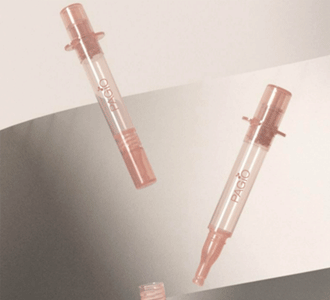
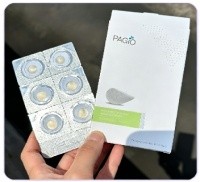
- Acne-Clearing Microcrystal Patch — our acne patch uses microcrystal technology to precisely target blemish concerns, delivering targeted care without disturbing surrounding skin. It is a modern, gentle alternative to harsh, whole-face acne products.
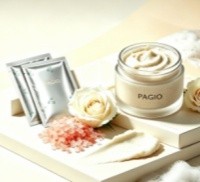
- Multi-Acid Facial Masks — the Facial Skincare Series includes a Salicylic Acid Exfoliating Mask (which pairs BHA with mandelic acid for gentle, brighter skin) and an Avocado Multi-Acid Pore Refining Mask (a 3-acid, 3-mud system that gently exfoliates and clarifies). Both balance active efficacy with soothing, barrier-supporting ingredients like panthenol and licorice.
These products reflect the same principle that has made azelaic acid so popular: targeted results without compromising skin comfort. Explore the full range at our Bio-Innovation R&D center, backed by 30-plus scientists and 50-plus patents.
Frequently Asked Questions
Is azelaic acid better than salicylic acid?
They serve different, complementary purposes. Salicylic acid is oil-soluble and excels at deep pore clearing, making it ideal for congestion and blackheads. Azelaic acid is a gentler multitasker that addresses texture, tone, and blemishes together while soothing the skin. Many routines benefit from using both — for example, salicylic acid for targeted pore clearing and azelaic acid for overall tone and texture — separated into different parts of the routine.
Can azelaic acid be used with other active ingredients?
Yes, azelaic acid is highly compatible and layers well with niacinamide, hyaluronic acid, and gentle moisturizers. It is generally gentler than other acids, so it can often be combined more freely. As a rule of thumb, introduce one new active at a time and avoid stacking multiple strong exfoliants in the same session.
Is azelaic acid suitable for sensitive skin?
Yes — this is one of azelaic acid's standout qualities. It delivers exfoliating and brightening benefits with significantly less irritation than glycolic or strong salicylic formulations, and it is well-tolerated by most sensitive and combination skin types. As with any active, introduce it gradually and monitor how your skin responds.
How long does azelaic acid take to work?
Improvements in skin texture and tone emerge gradually. Some users notice a smoother, calmer complexion within 2-4 weeks, while more noticeable brightening and tone-evening typically appear over 4-8 weeks of consistent use. Patience and consistency are key — azelaic acid works through gentle, cumulative support rather than overnight changes.
Ready to Experience Gentle, Effective Exfoliation?
Whether you are a skincare enthusiast seeking a gentle multitasker or a brand sourcing advanced blemish-care and brightening formulations, PROGEN's Acne-Clearing Microcrystal Patch and Facial Skincare Series deliver the "effective but kind" approach backed by 30-plus scientists and 50-plus patents. Explore our OEM/ODM customization for your own brand.
Contact PROGEN — Explore Blemish & Brightening SolutionsWe will respond within 24 hours with product details and formulation guidance.